Give the feeling a name
Children do not always need an explanation first. They need a way to show what the feeling is doing.
Big-feelings stories
Your child says what happened or invents a character carrying the same feeling. Storybox turns it into illustrated pages with room for the hard part and the next part.
Children do not always need an explanation first. They need a way to show what the feeling is doing.
A character can be upset and loved, disappointed and safe, or angry and still learning.
The story does not have to solve everything. It can end with someone staying close.
Real Storybox stories
These are examples from Storybox stories, made from a child's own idea and turned into an illustrated adventure.
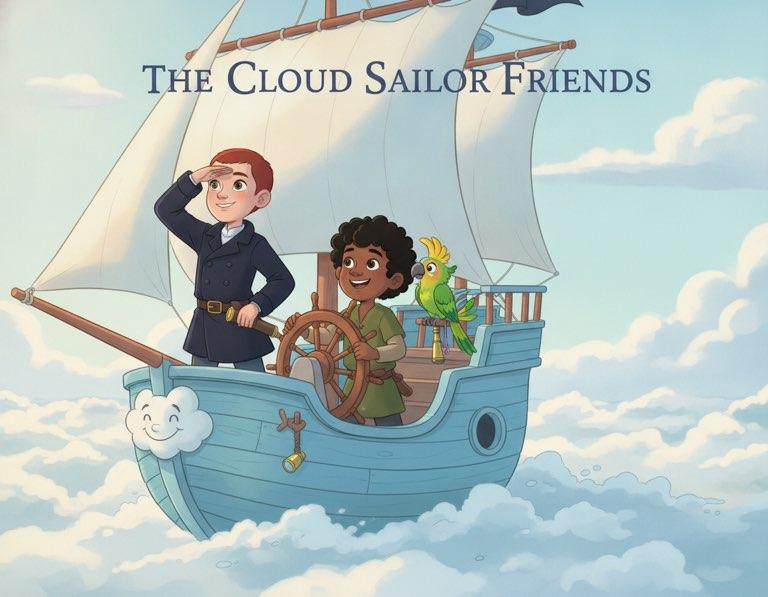
A pirate ship sailing through the clouds.

A trail of footprints that appears after the snow.
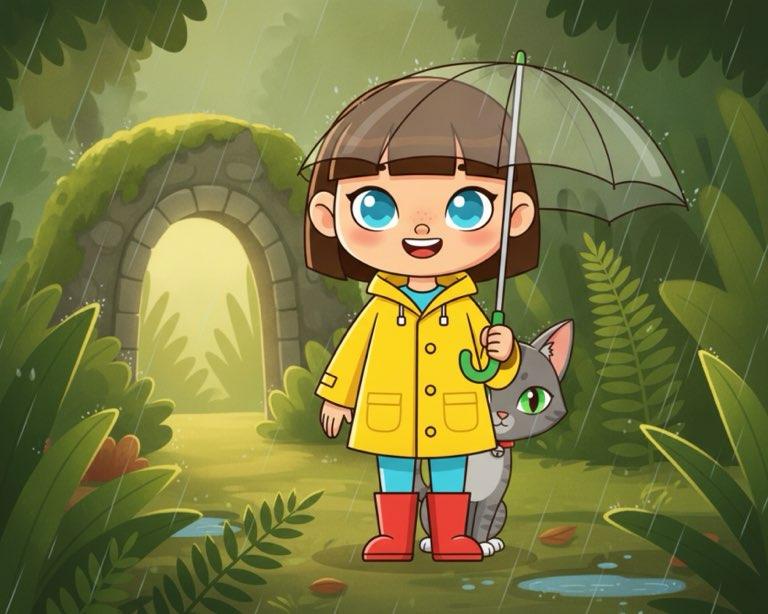
A secret tunnel that only appears when it rains.
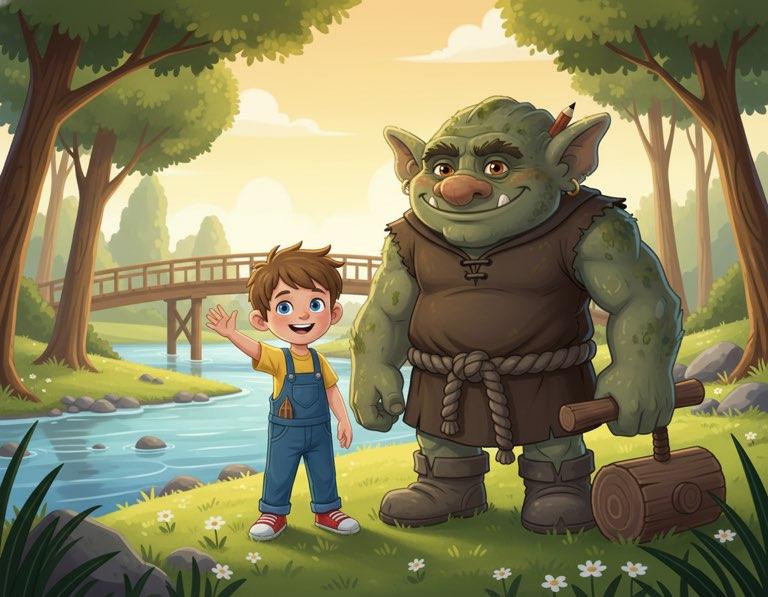
A troll who builds bridges instead of guarding them.
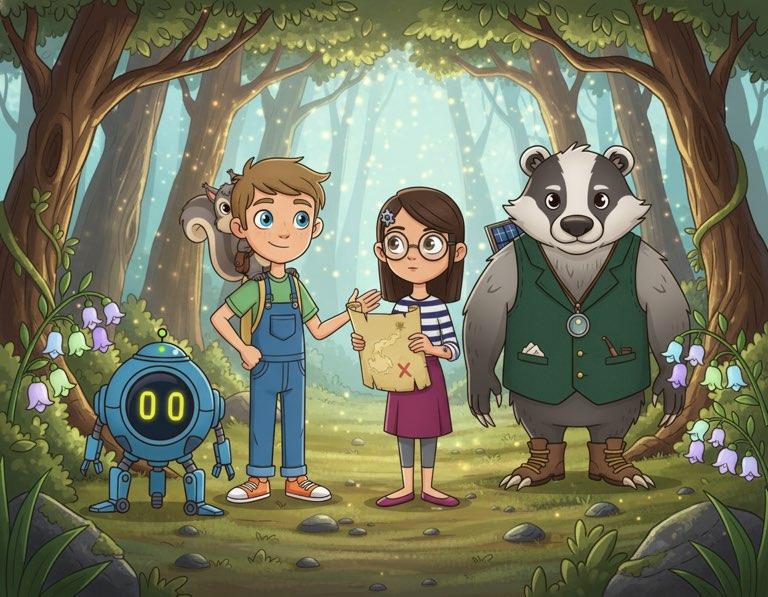
A forest mystery shared by a group of new friends.
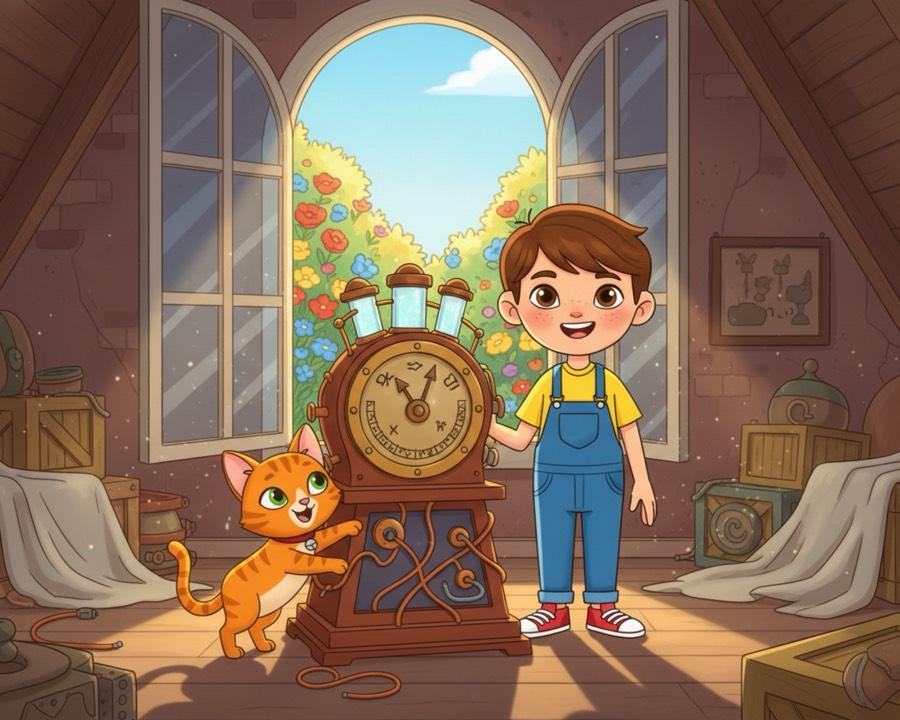
A grandparent's attic discovery that can change the weather.
Storybox keeps the flow simple so families can spend more time reading and less time managing screens.
Choose the argument, disappointment, change, or surprise that made the feeling arrive.
A child-created character can carry the feeling without turning the story into a lecture.
Notice the first small moment when the character gets help, makes a choice, or feels understood.
A story can open a door without asking your child to explain everything immediately.
The child does not have to solve the feeling alone on the page.
Some stories become more useful after a little time has passed.
It is a child-led story that gives an intense feeling a character, setting, and gentle path through the moment.
Yes, or it can use an invented character if that feels easier.
It needs a safe and honest place to land. That might be connection, rest, or one next step.
If feelings are persistent, severe, or affecting safety and daily life, talk with a qualified professional.