Separate mistake from identity
The story lets a character do something wrong without becoming a wrong child.
Making-mistakes stories
A tower falls, a word comes out wrong, or a child wishes they could rewind. Your child creates the character and mistake, then reads what happens when the character tries again.
The story lets a character do something wrong without becoming a wrong child.
Saying sorry, asking for help, cleaning up, or trying a different way can be part of the adventure.
Sometimes a little silliness makes a mistake easier to look at without making fun of the child.
Real Storybox stories
These are examples from Storybox stories, made from a child's own idea and turned into an illustrated adventure.
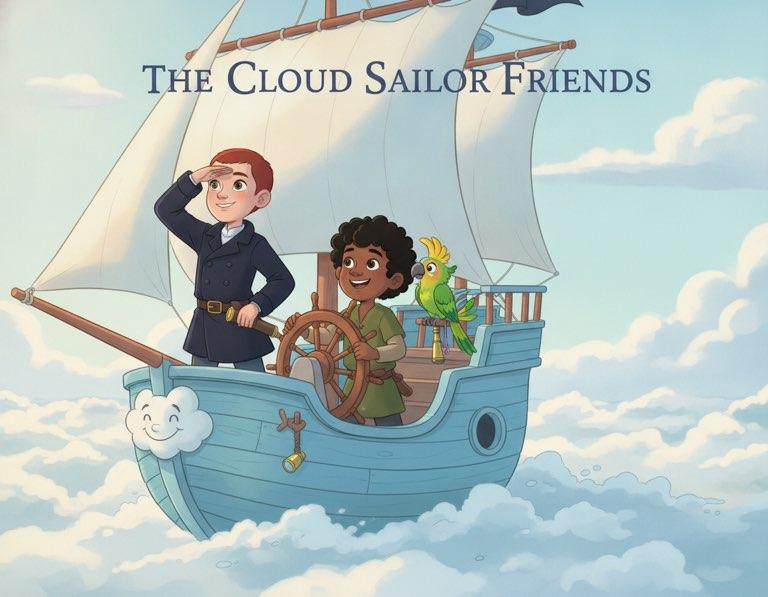
A pirate ship sailing through the clouds.
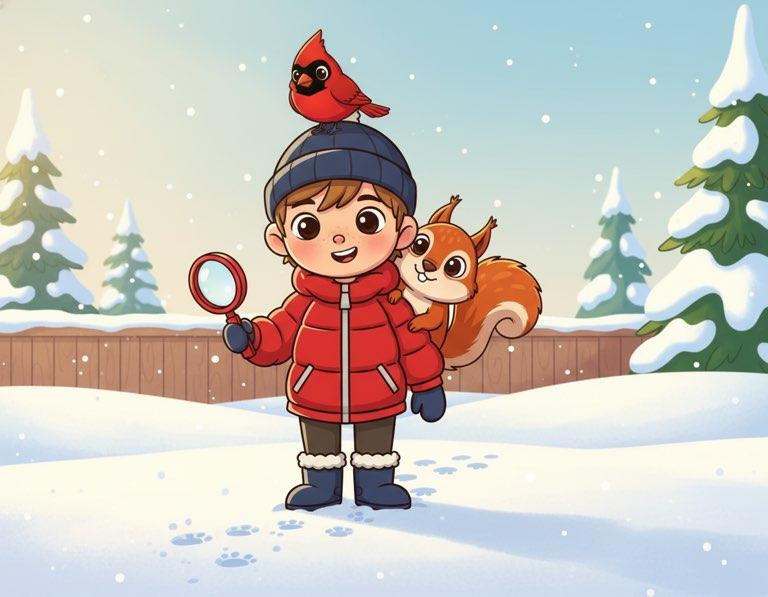
A trail of footprints that appears after the snow.
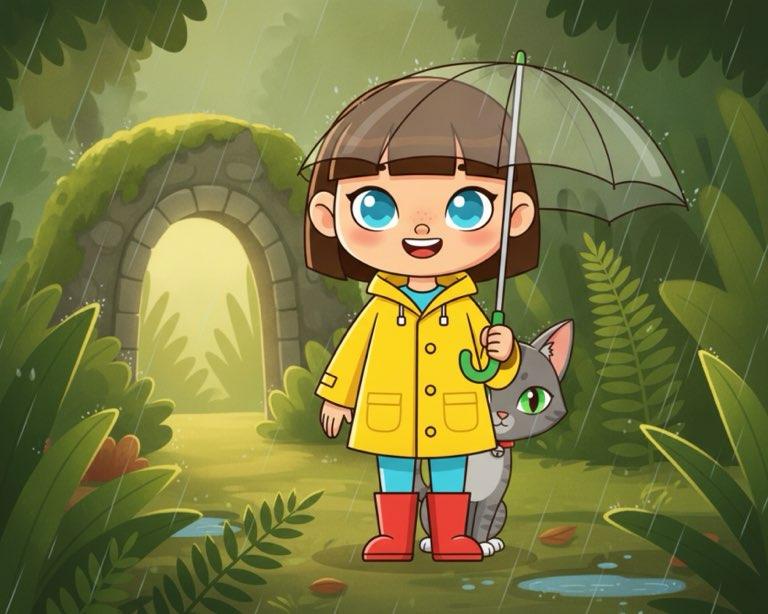
A secret tunnel that only appears when it rains.
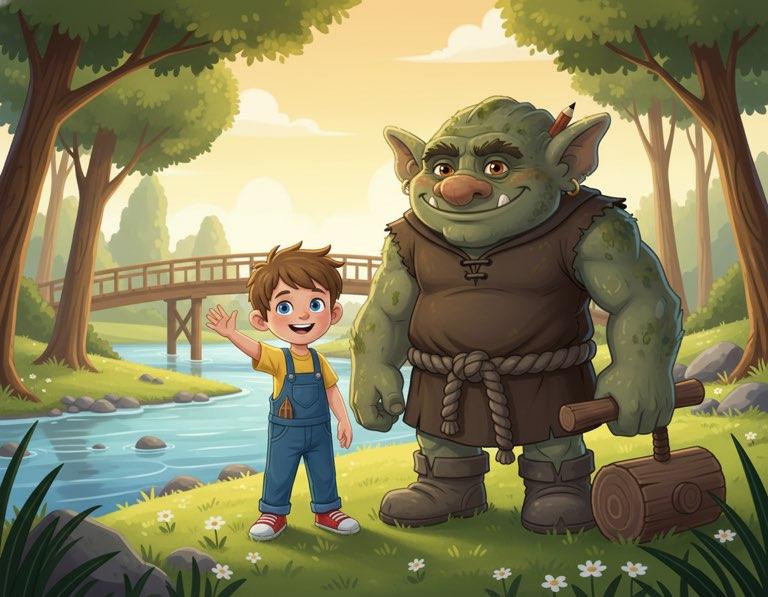
A troll who builds bridges instead of guarding them.
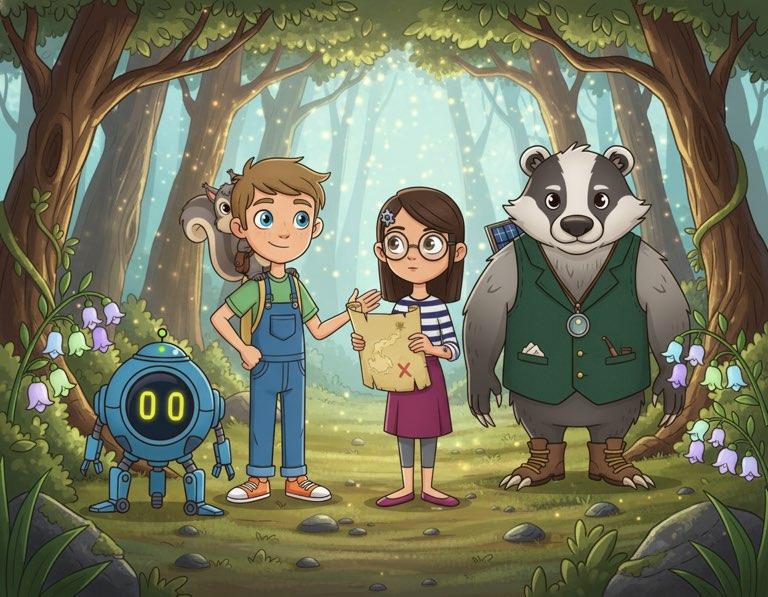
A forest mystery shared by a group of new friends.
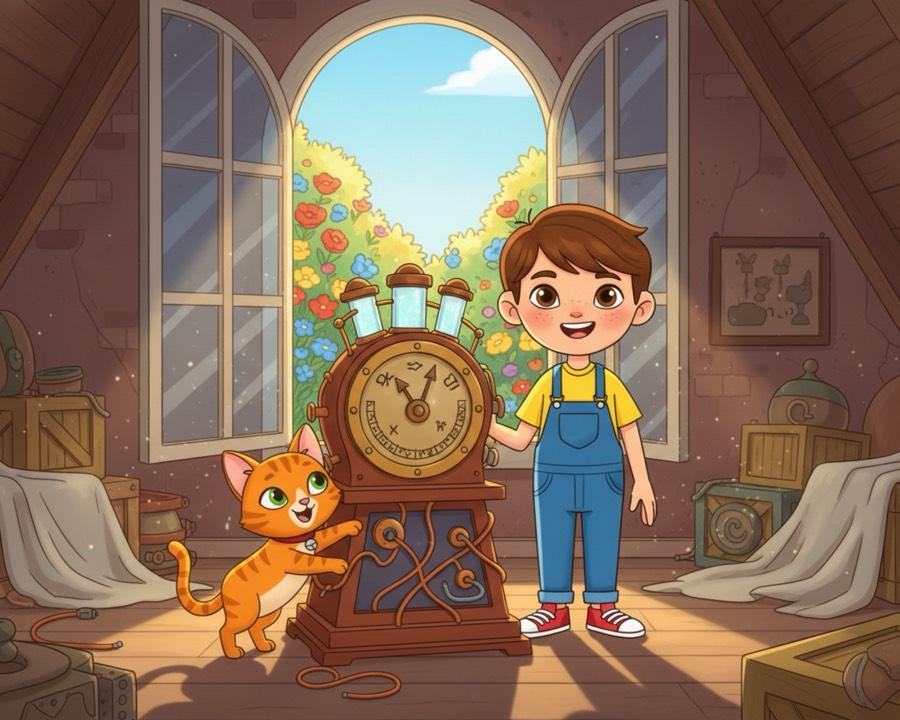
A grandparent's attic discovery that can change the weather.
Storybox keeps the flow simple so families can spend more time reading and less time managing screens.
It can be real, invented, tiny, or a very dramatic dragon-sized disaster.
Your child decides whether the character hides, tells the truth, gets help, or tries again.
The story makes space for what can be fixed and what can simply be learned from.
A silly mistake can make the story feel less like a correction.
Repair is more meaningful when the character understands what happened first.
The useful moment is often telling the truth or trying again.
They can show that mistakes are part of a story and that there are often honest next steps.
Yes, or use an invented character if direct conversation feels too close.
No. It can end with a repair, a lesson, or simply a character ready to try again.
It works across early childhood, with the reading level adjusted to fit your child.