Name it without shame
The story can say that anger, sadness, or frustration is present without making the child the problem.
Calming-down stories
Anger, disappointment, and overwhelm can arrive faster than words. Your child chooses the character and feeling, and Storybox makes a story that slows down without pretending the feeling was wrong.
The story can say that anger, sadness, or frustration is present without making the child the problem.
A drink of water, a quiet corner, a breath, or a trusted person can become part of the story's path.
A calm story is easiest to use when everyone is already calm.
Real Storybox stories
These are examples from Storybox stories, made from a child's own idea and turned into an illustrated adventure.
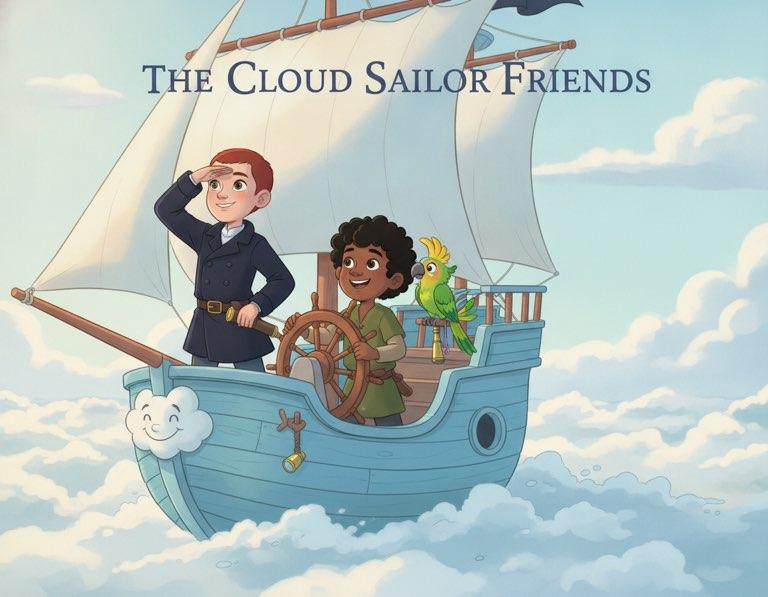
A pirate ship sailing through the clouds.

A trail of footprints that appears after the snow.
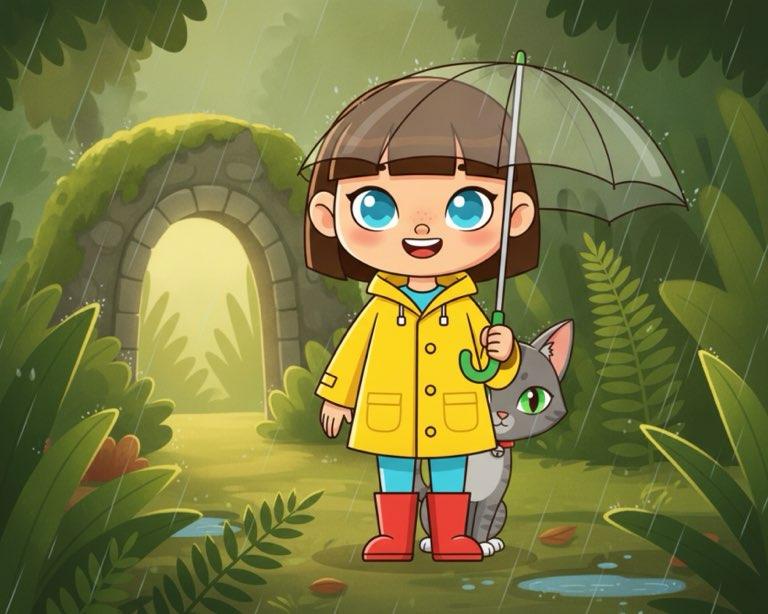
A secret tunnel that only appears when it rains.
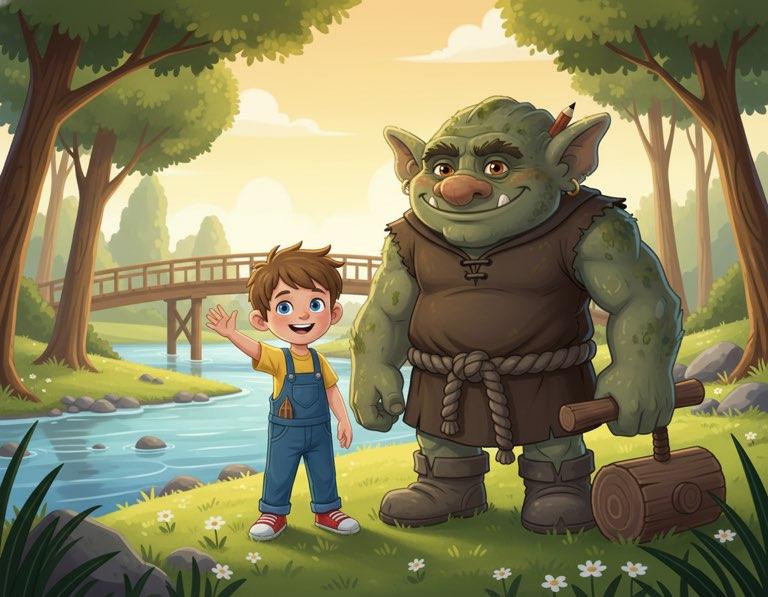
A troll who builds bridges instead of guarding them.
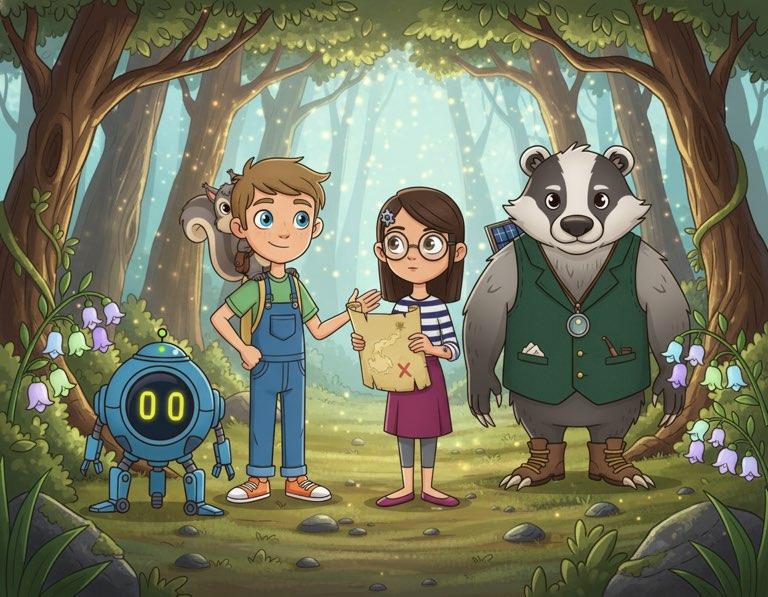
A forest mystery shared by a group of new friends.
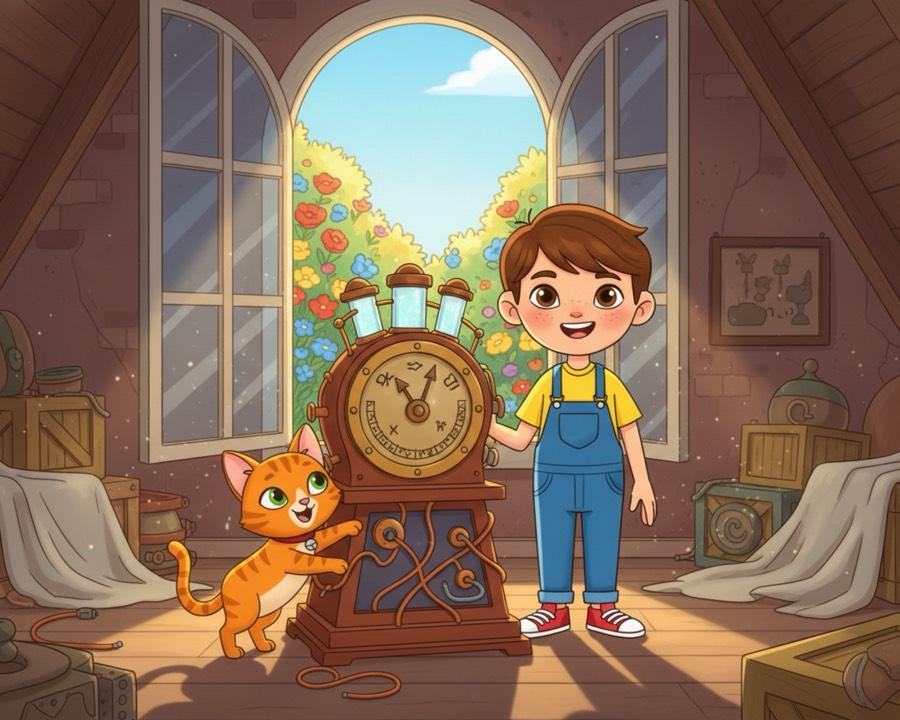
A grandparent's attic discovery that can change the weather.
Storybox keeps the flow simple so families can spend more time reading and less time managing screens.
Your child can name the feeling or describe what it does in the body.
A volcano, storm cloud, buzzing robot, or tired bear can carry the feeling without becoming the child.
The story shows what helps the character return to a place where choices are possible.
The point is not to be quiet for adults. It is to help a child feel more able to choose.
A couch, porch, blanket, or car seat can make the story easier to remember.
Come back to the story after the hard moment, not as a script during the peak.
It can help children name feelings and remember possible next steps, but it is not a replacement for adult support.
Start with a character or made-up feeling. Distance can make a difficult idea easier to approach.
Yes, if that is comfortable for your child. It can also include movement, water, quiet, or asking for help.
Make and read it during a calm moment so it is familiar if a big feeling arrives later.