Make the routine familiar
A story can walk through the small steps without turning every bathroom trip into a performance.
Potty-training stories
A new routine can feel strange at first. Your child says what their bathroom adventure looks like, and Storybox turns it into a gentle illustrated story they can revisit.
A story can walk through the small steps without turning every bathroom trip into a performance.
A teddy bear, a dinosaur, or a very serious bathroom robot can make the new routine feel like something they own.
The story is a calm place to practice the idea, not a promise about how quickly a child will change.
Real Storybox stories
These are examples from Storybox stories, made from a child's own idea and turned into an illustrated adventure.
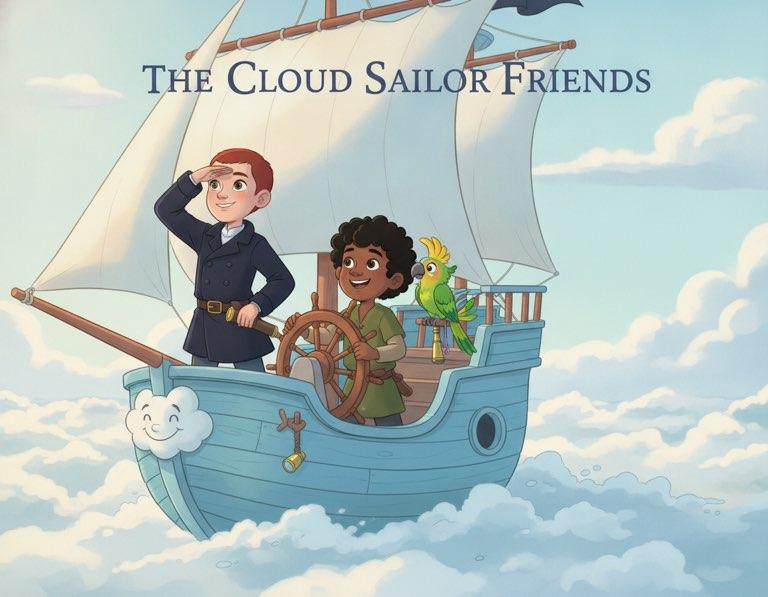
A pirate ship sailing through the clouds.

A trail of footprints that appears after the snow.
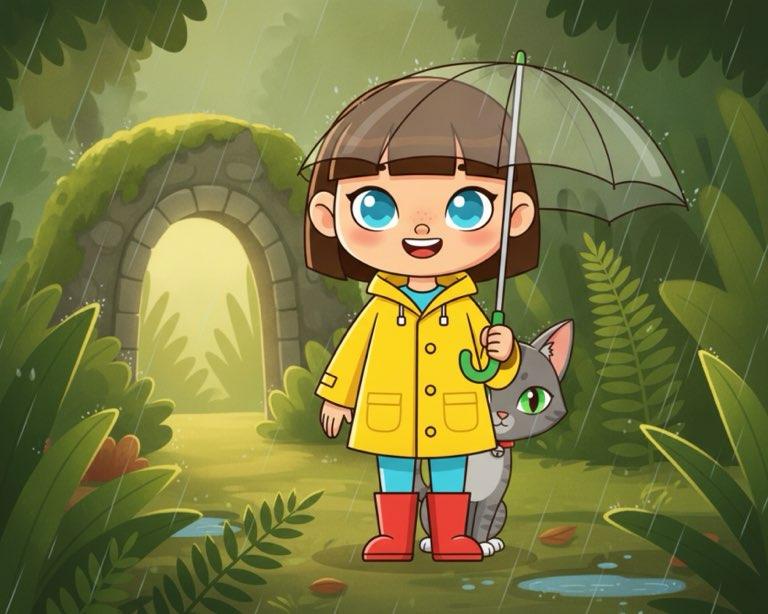
A secret tunnel that only appears when it rains.
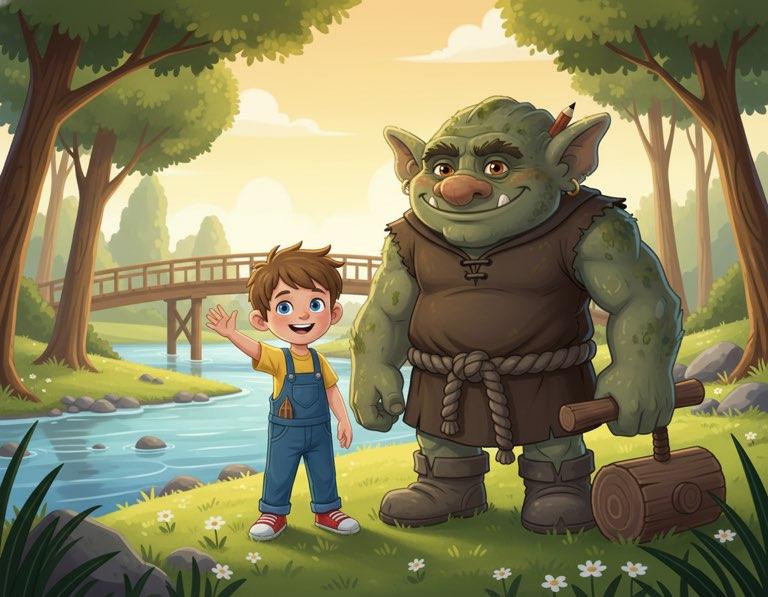
A troll who builds bridges instead of guarding them.
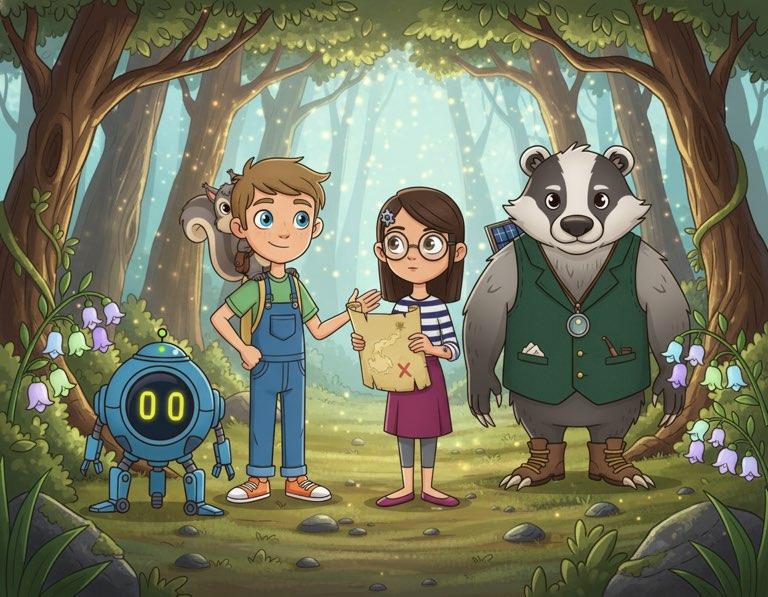
A forest mystery shared by a group of new friends.
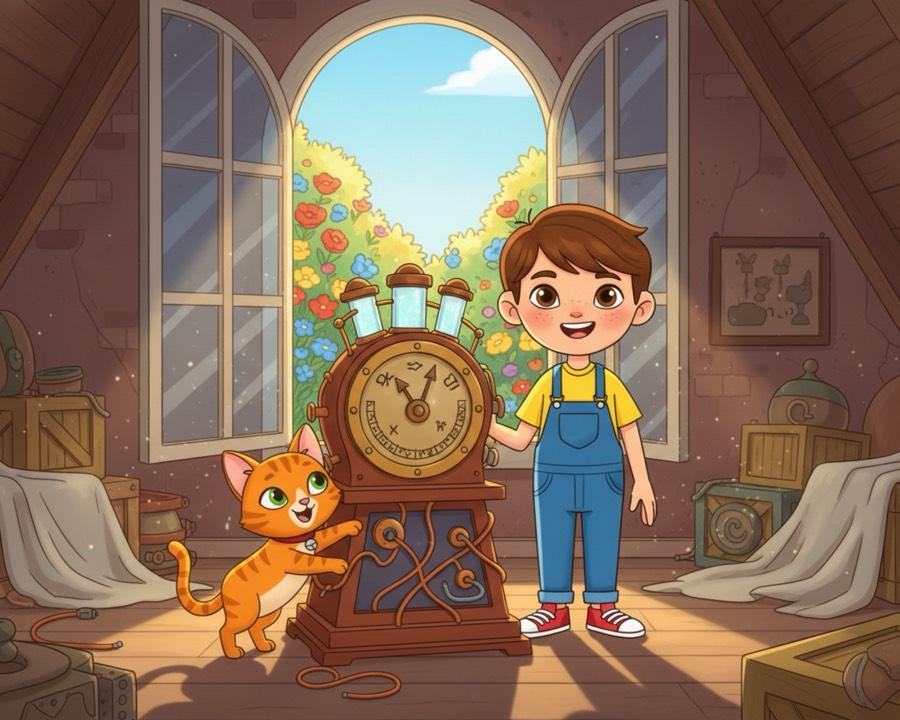
A grandparent's attic discovery that can change the weather.
Storybox keeps the flow simple so families can spend more time reading and less time managing screens.
Your child describes the bathroom, the helper, or the part that feels confusing.
The story can focus on noticing, trying, asking for help, or celebrating one tiny step.
A familiar story gives the routine a gentle script without making it a test.
The most useful story does not need a perfect ending. Trying is a story beat too.
Keep the language close to what your child actually calls the bathroom and the routine.
Let the story be a story. You do not have to add a lesson after every page.
It can make the routine more familiar and give your child a playful way to talk about what feels new.
It is aimed at toddlers and preschoolers, with a reading level you can choose for your child.
Yes. The story starts with the details your child says out loud.
No. It is a story tool, not medical or developmental advice.