Notice before fixing
The story can show a character paying attention to what a friend actually needs.
Helping-a-friend stories
A friend is new, lonely, stuck, or carrying something too heavy. Your child chooses the characters and problem, and Storybox makes a story about noticing and helping without taking over.
The story can show a character paying attention to what a friend actually needs.
A seat, question, snack, invitation, or shared job can make kindness concrete.
Helping does not mean deciding everything for another person. The story can make room for their answer.
Each of these started as one idea said out loud. They are free to read, with a picture on every page and a button that reads them aloud.
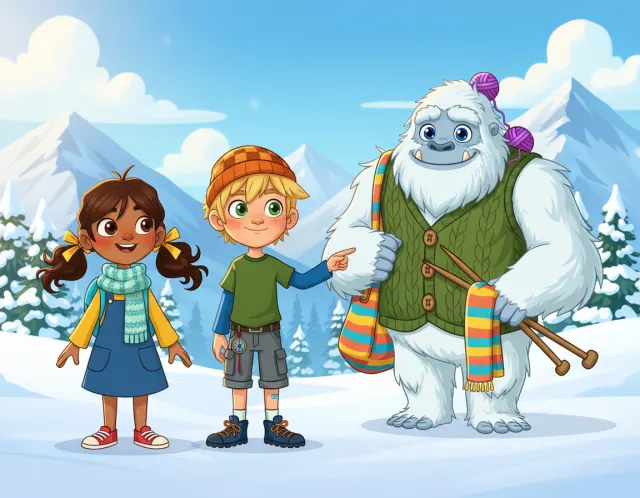
Kaelo the yeti knits warm things for all his friends, and when he spots a shivering squirrel he makes the smallest scarf of all.
Ages 4 to 6 4 min read
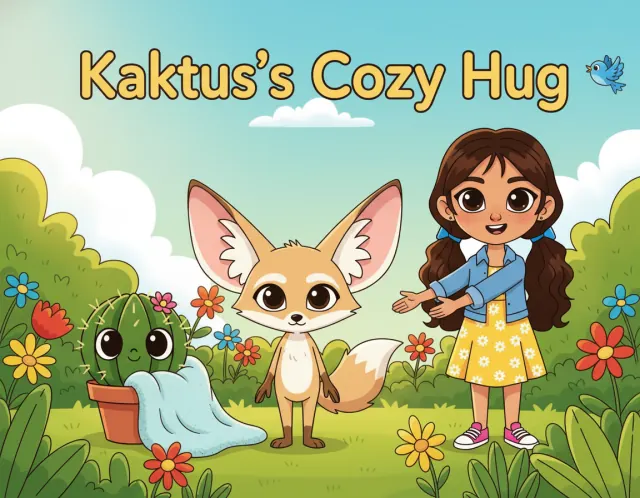
A little cactus wants a hug more than anything, and two friends find a soft, clever way to give him one.
Ages 4 to 6 3 min read
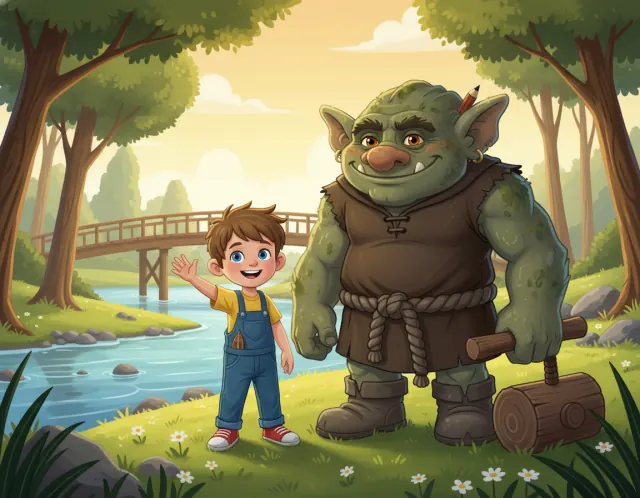
Ben meets a troll by the river who does not guard bridges at all. He draws them, and then he builds one just for Ben.
Ages 4 to 6 3 min read
Storybox keeps the flow simple so families can spend more time reading and less time managing screens.
It can be a classmate, animal, sibling, neighbor, or imaginary creature.
Your child decides whether the friend is lonely, lost, nervous, tired, or trying something new.
The story focuses on one useful thing a character notices and does.
A hello or invitation can matter more than a grand rescue.
The friend should have an idea about what would help.
The conversation after the story can stay curious instead of turning into a rule.
It can show kindness through specific choices and help children talk about what support feels like.
Yes. A real or invented animal can carry the same story about noticing and helping.
No. A small, respectful action can be the whole point.
Yes. It can start a discussion about welcoming, cooperation, or asking what someone needs.