Let both siblings matter
The story can give each child a useful idea instead of making one the helper and one the problem.
Sibling stories
Two children, one blanket fort, and a problem neither can fix alone. Your child says who is in the story and what needs doing, then reads how the siblings find a way forward.
The story can give each child a useful idea instead of making one the helper and one the problem.
Carrying, building, searching, and taking turns are easier to picture inside an adventure.
A story about teamwork is more believable when the characters do not agree immediately.
Real Storybox stories
These are examples from Storybox stories, made from a child's own idea and turned into an illustrated adventure.
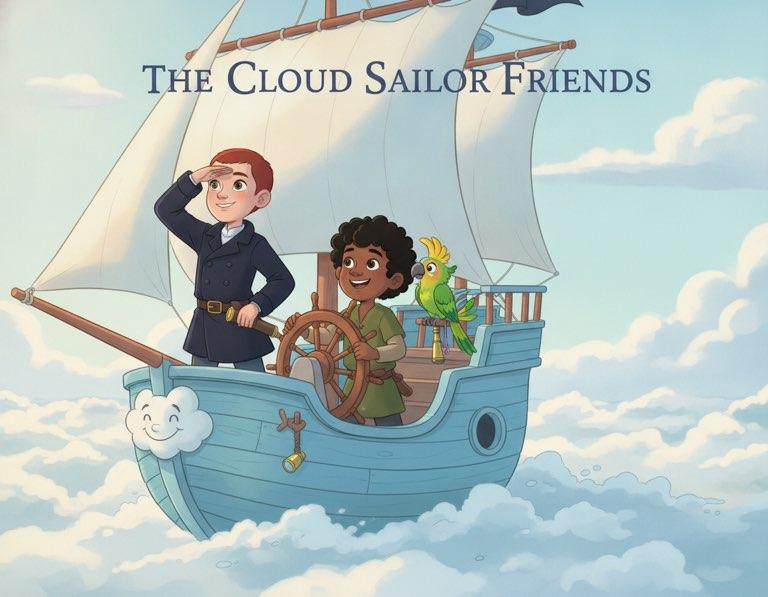
A pirate ship sailing through the clouds.
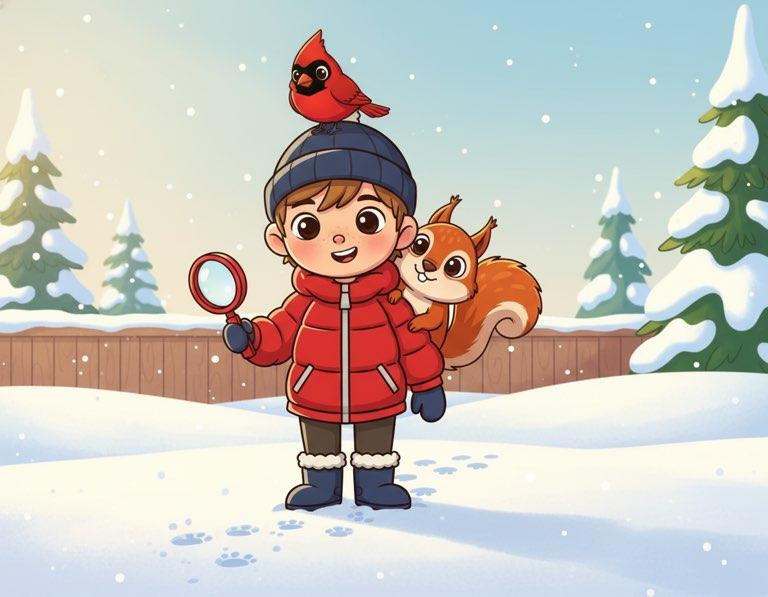
A trail of footprints that appears after the snow.
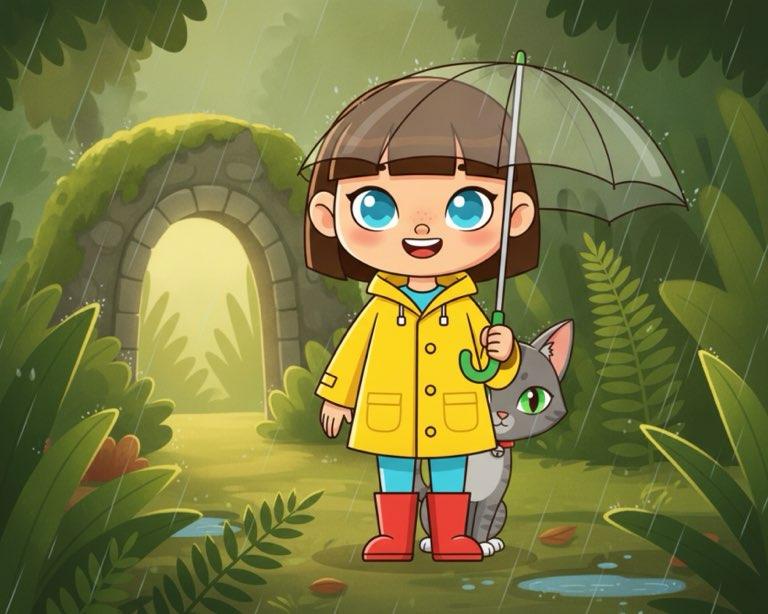
A secret tunnel that only appears when it rains.
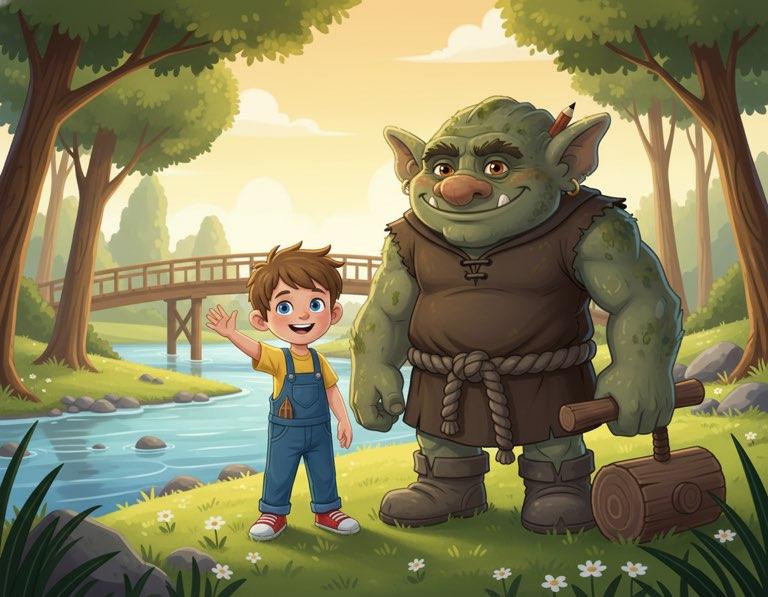
A troll who builds bridges instead of guarding them.
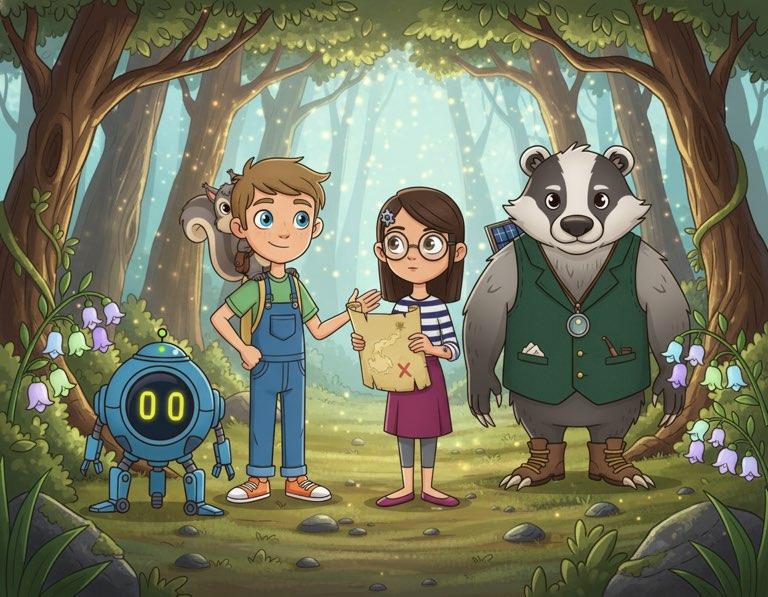
A forest mystery shared by a group of new friends.
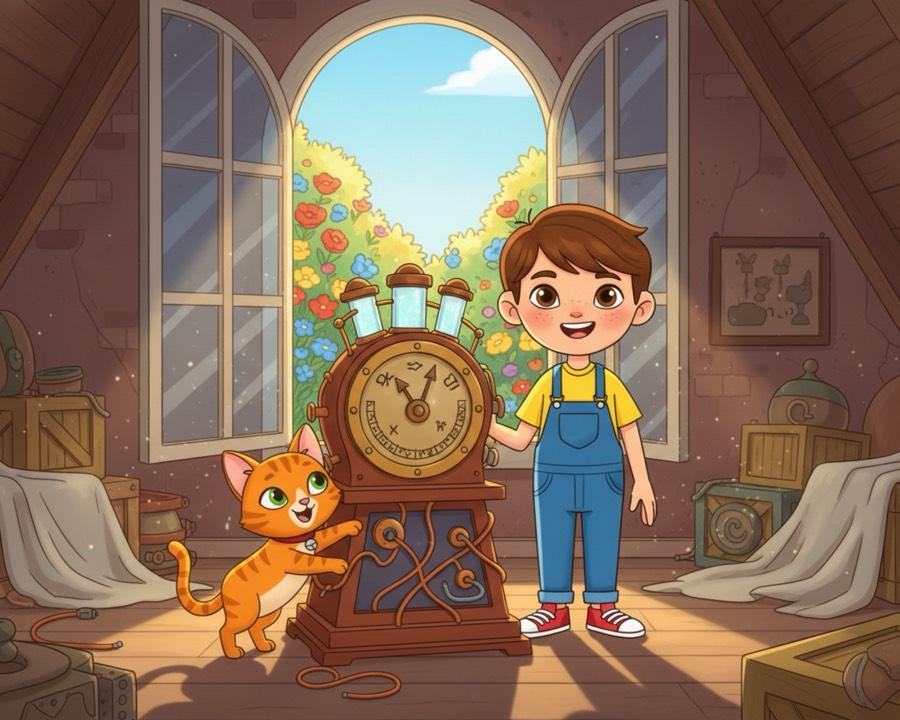
A grandparent's attic discovery that can change the weather.
Storybox keeps the flow simple so families can spend more time reading and less time managing screens.
It might be rescuing a toy, building a fort, finding a pet, or preparing a surprise.
One notices clues, one reaches high, one remembers the map, and everyone gets a part.
Notice the moment when working together becomes more useful than winning the argument.
The story can show a disagreement without assigning a permanent role.
A shared love of dinosaurs, drawing, or pancakes is a good place to build teamwork.
That question often opens a better conversation than asking who was right.
Yes. Each child can contribute a character, idea, or part of the problem.
It can create a shared fictional problem to talk about without replaying the exact argument.
The story can give each sibling a meaningful part in solving the problem.
Yes. The same format works for siblings, cousins, and friends.