Redefine strong
A superhero can use kindness, patience, humor, and asking for help as real powers.
Superhero stories
The hero might fly, listen, fix, notice, or make the world's best pancakes. Your child invents the power and the problem, and Storybox turns it into an illustrated mission.
A superhero can use kindness, patience, humor, and asking for help as real powers.
The problem does not need to save the whole city. Helping one friend can be enough.
Costume, companion, hideout, power, and weakness all come from the idea your child says.
Each of these started as one idea said out loud. They are free to read, with a picture on every page and a button that reads them aloud.
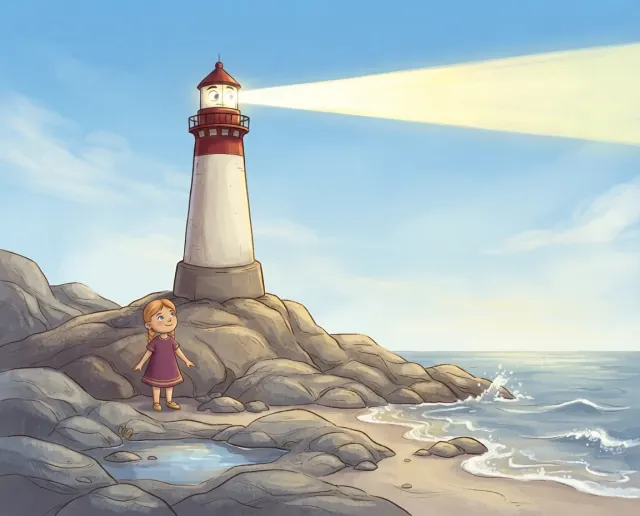
Orrin the lighthouse is afraid of the sea, and on a stormy night a girl named Aria climbs all the way up to help him shine.
Ages 4 to 6 4 min read

The other planes say space is too far, but Sky the little plane decides to try anyway.
Ages 4 to 6 3 min read
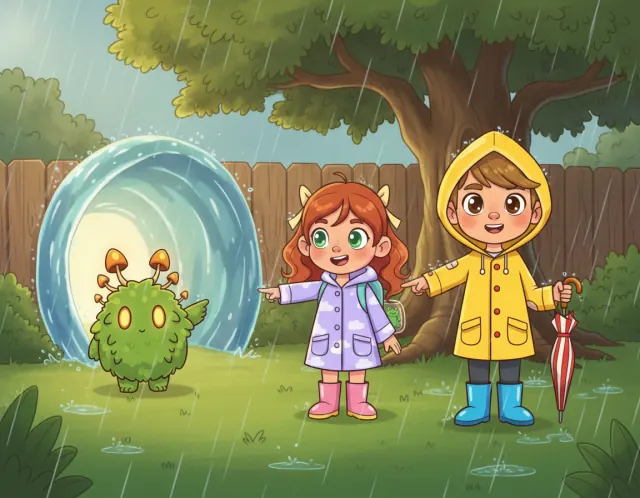
On a bored, rainy afternoon, a little moss creature leads Maya and Leo to a glowing tunnel that only appears in the rain.
Ages 4 to 6 5 min read
Storybox keeps the flow simple so families can spend more time reading and less time managing screens.
Your child decides what the hero can do and what makes that power different.
A lost pet, lonely neighbor, broken bridge, or frightened friend can make the mission matter.
The hero's most important moment is often how they use the power, not whether they win.
A power is more interesting when the hero has to think about when to use it.
A good sidekick makes room for teamwork instead of making one hero do everything.
Children often choose a surprising answer when the story is over.
Yes. Choose the hero, power, costume, sidekick, and mission that start the story.
Yes. Listening, noticing, helping, and making people laugh can all be superhero powers.
Yes. Choose a small mission and a safe return home instead of a loud battle.
Yes. Your child decides who the hero is.