Make the machine specific
A robot that sorts socks is more interesting than a robot that simply saves the world.
Robot stories
A robot can have a map, a mission, and a very confusing feeling. Your child chooses the robot's job and problem, and Storybox turns it into an illustrated story with a human-sized question inside.
A robot that sorts socks is more interesting than a robot that simply saves the world.
The story can explore friendship, curiosity, mistakes, or wanting to belong through a character that is learning.
The robot's shape, sounds, tools, and rules all come from the child's idea.
Real Storybox stories
These are examples from Storybox stories, made from a child's own idea and turned into an illustrated adventure.
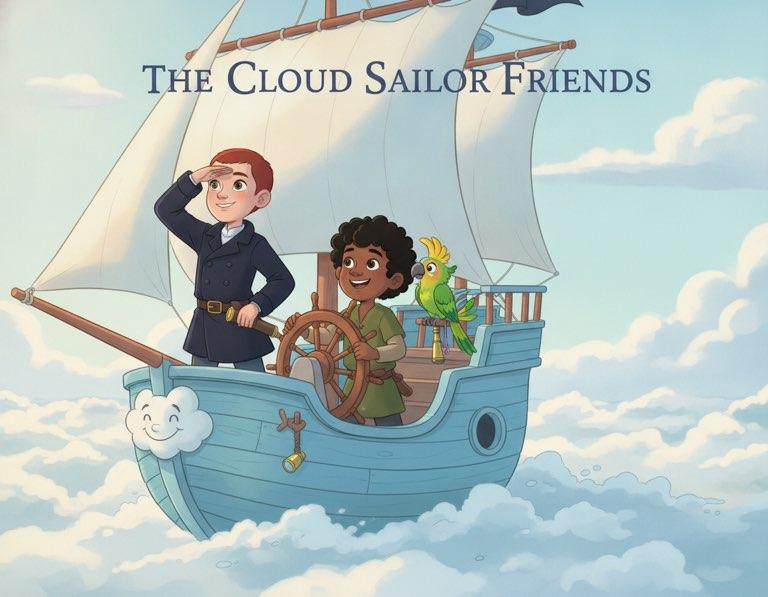
A pirate ship sailing through the clouds.
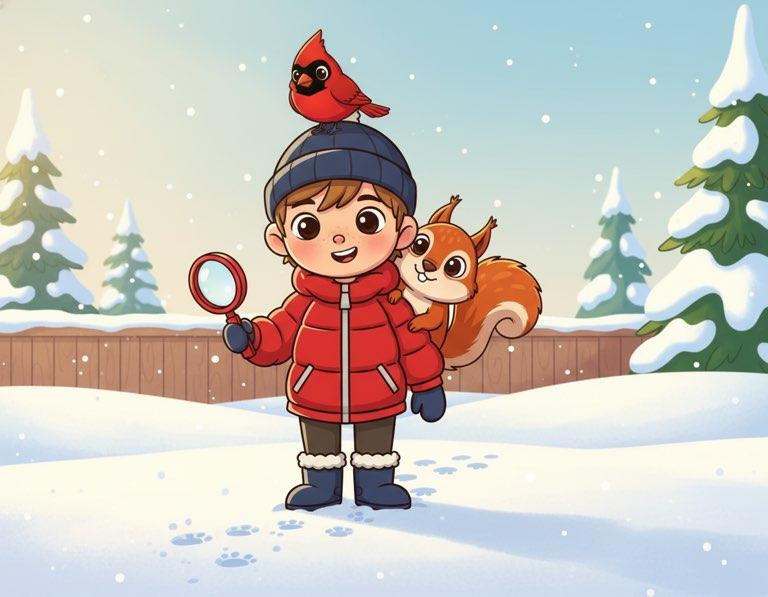
A trail of footprints that appears after the snow.
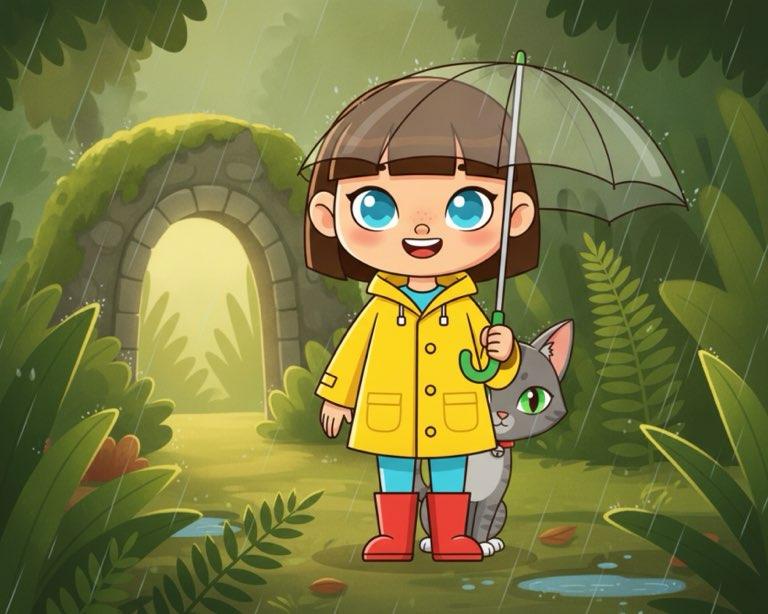
A secret tunnel that only appears when it rains.
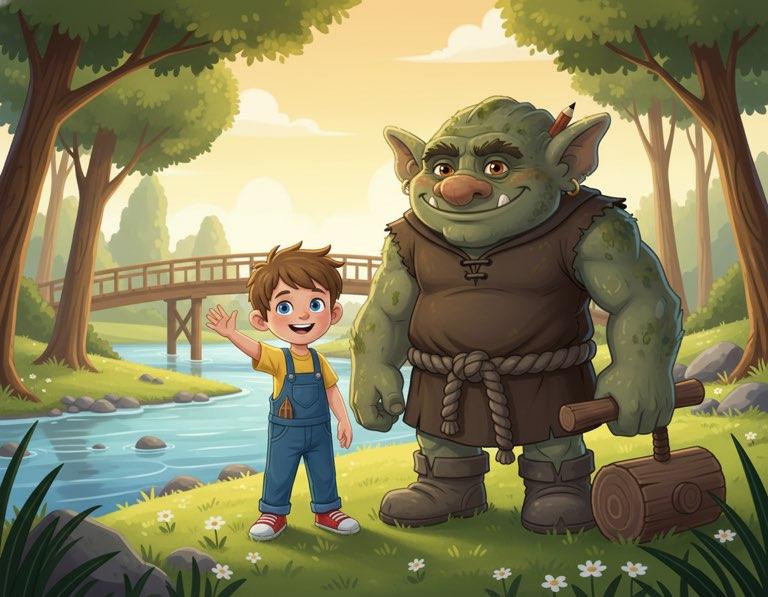
A troll who builds bridges instead of guarding them.
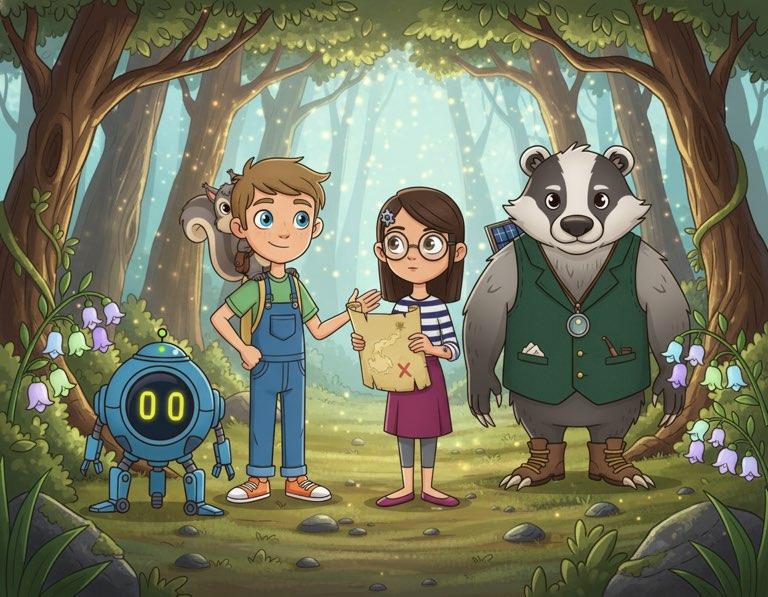
A forest mystery shared by a group of new friends.
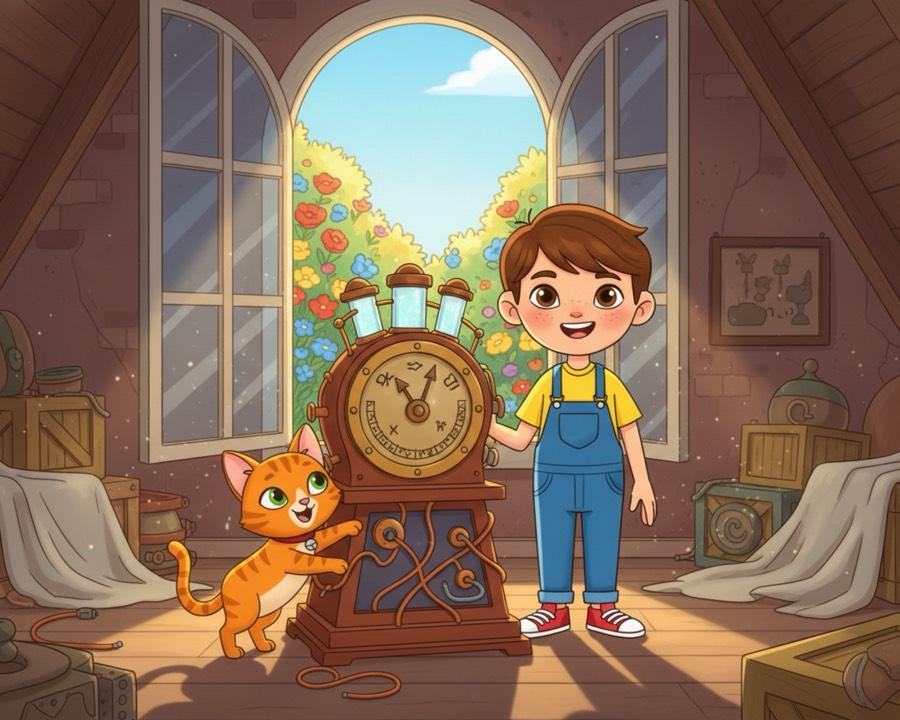
A grandparent's attic discovery that can change the weather.
Storybox keeps the flow simple so families can spend more time reading and less time managing screens.
Your child says what it builds, fixes, delivers, protects, or does badly.
A missing button, strange signal, or new friend can interrupt a routine.
The story can end with a choice, not a lecture about being human.
A robot that cannot do everything has more room for a story.
A beep, wobble, or wrong announcement can make the character feel like yours.
The answer often reveals the heart of the story.
Yes. Choose the robot's job, design, problem, and the thing it is trying to understand.
Yes. A robot with a small, silly job can make a wonderful story.
It can explore technology in an age-appropriate fictional way, with a child-led story at the center.
Yes. Save favorite stories and use the character as a starting point again.