Follow the real question
Curiosity is strongest when the child gets to choose what seems strange or wonderful.
Science-question stories
Why does the moon follow us? Where do worms go? What makes a volcano? Your child asks the question, and Storybox turns curiosity into a story worth reading together.
Curiosity is strongest when the child gets to choose what seems strange or wonderful.
A story gives new information a character, place, and reason to matter.
Not every story needs to close every question. Good science often opens another one.
Real Storybox stories
These are examples from Storybox stories, made from a child's own idea and turned into an illustrated adventure.
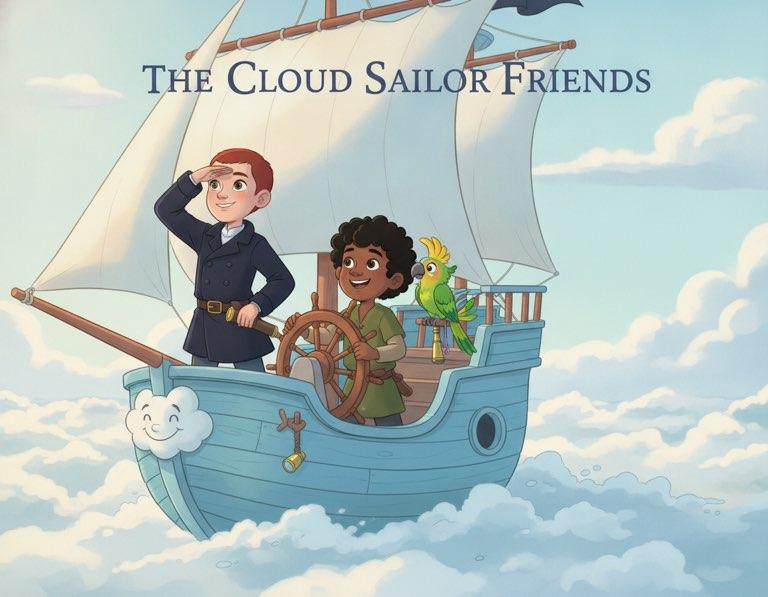
A pirate ship sailing through the clouds.
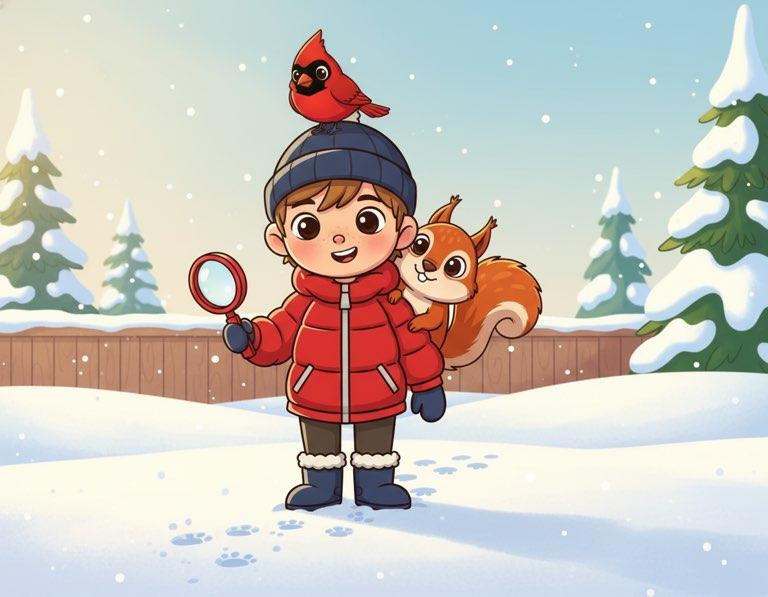
A trail of footprints that appears after the snow.
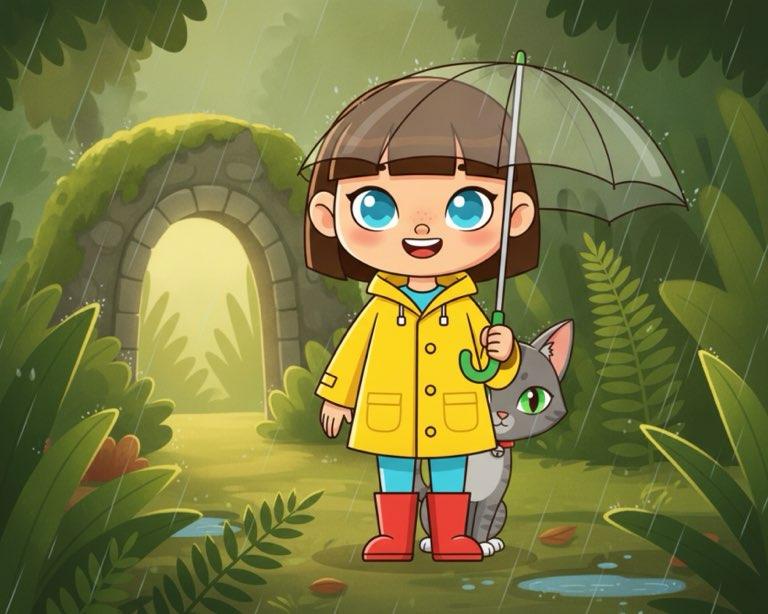
A secret tunnel that only appears when it rains.
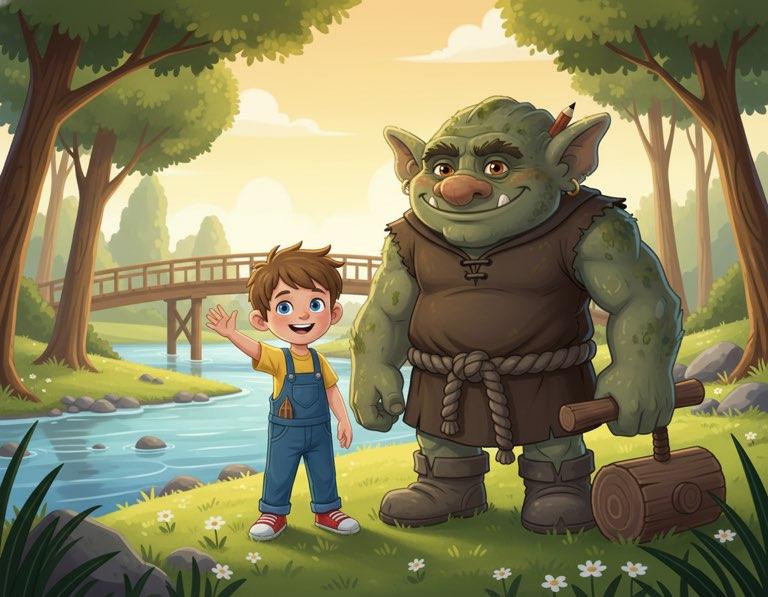
A troll who builds bridges instead of guarding them.
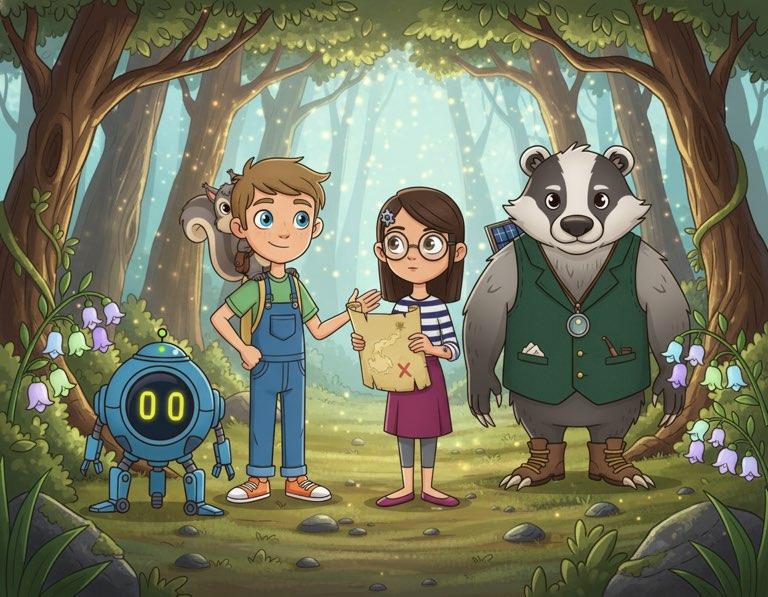
A forest mystery shared by a group of new friends.
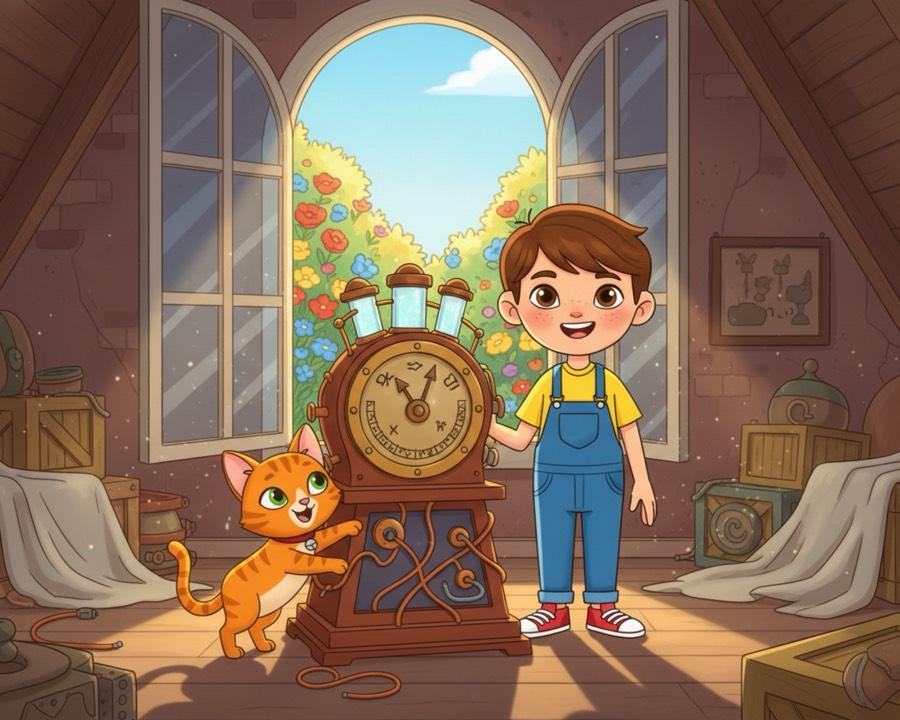
A grandparent's attic discovery that can change the weather.
Storybox keeps the flow simple so families can spend more time reading and less time managing screens.
Your child starts with the thing they actually want to know, in their own words.
A scientist, animal, robot, parent, or fictional explorer can help the story investigate.
Use the finished story as a starting point for the next question, drawing, or experiment.
One or two clear ideas are more memorable than a page packed with information.
Wonder is part of science, not a gap you have to hide.
A window, puddle, leaf, or night sky can keep the story connected to the world.
Yes. Your child can start with a subject or question and shape a story around it.
It can include age-appropriate learning ideas, but adults should check important facts when accuracy matters.
Animals, space, weather, plants, the human body, oceans, and everyday how-things-work questions are all natural starting points.
Yes. They can be useful as creative introductions to a classroom topic or discussion.