Make observation the superpower
The detective wins by noticing, asking, and thinking, not by being the loudest person in the room.
Mystery stories
A missing mitten, a strange footprint, or a note under the pillow can start a mystery. Your child chooses the detective and clues, and Storybox makes the case into an illustrated story.
The detective wins by noticing, asking, and thinking, not by being the loudest person in the room.
A mystery can be exciting without being frightening or dangerous.
The clues come from the child's idea, so the reveal feels earned by their imagination.
Real Storybox stories
These are examples from Storybox stories, made from a child's own idea and turned into an illustrated adventure.
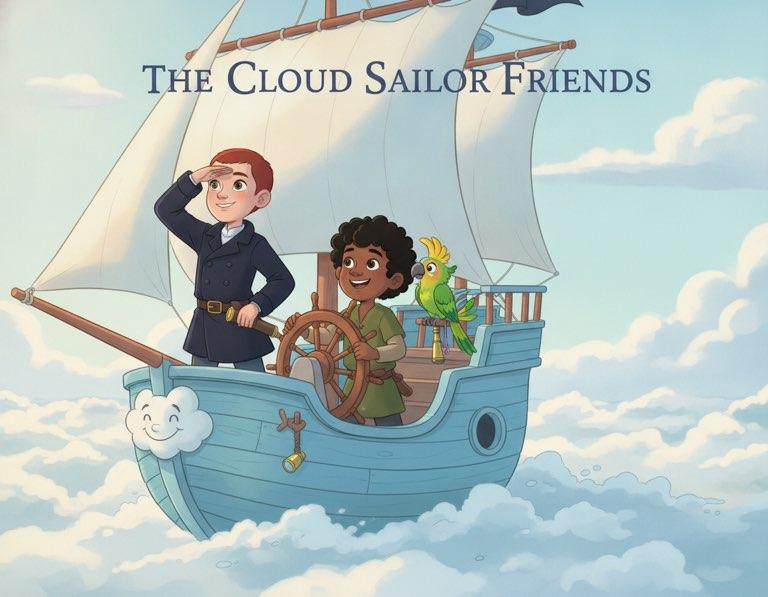
A pirate ship sailing through the clouds.

A trail of footprints that appears after the snow.
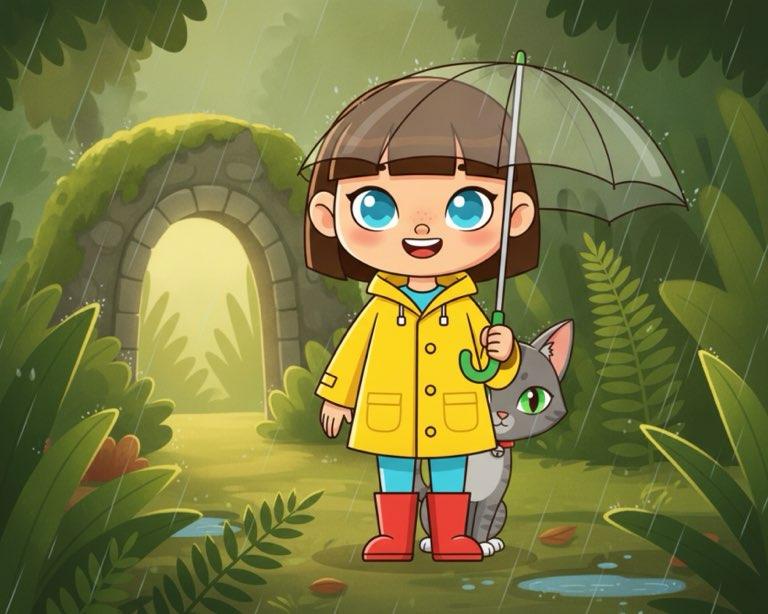
A secret tunnel that only appears when it rains.
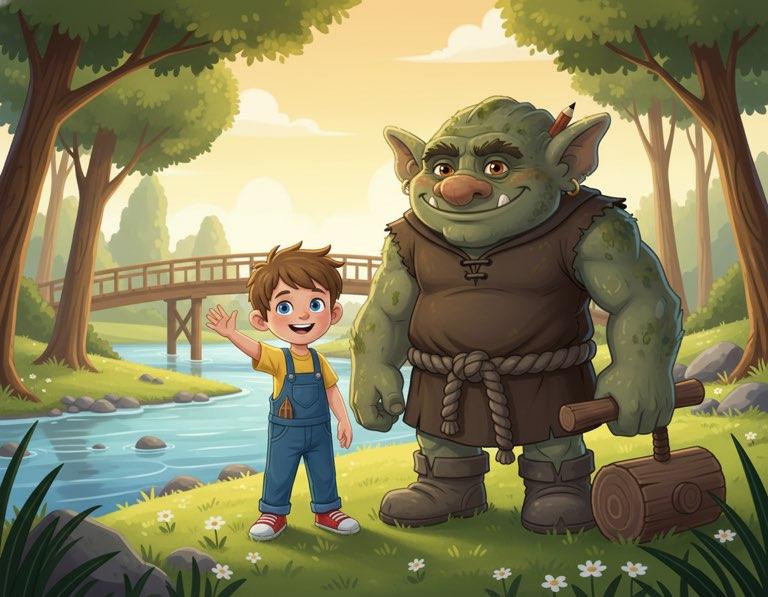
A troll who builds bridges instead of guarding them.
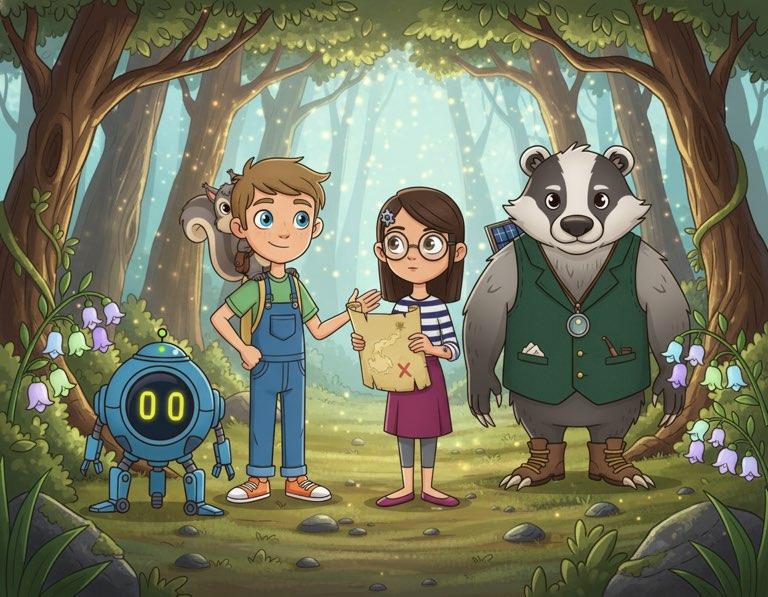
A forest mystery shared by a group of new friends.
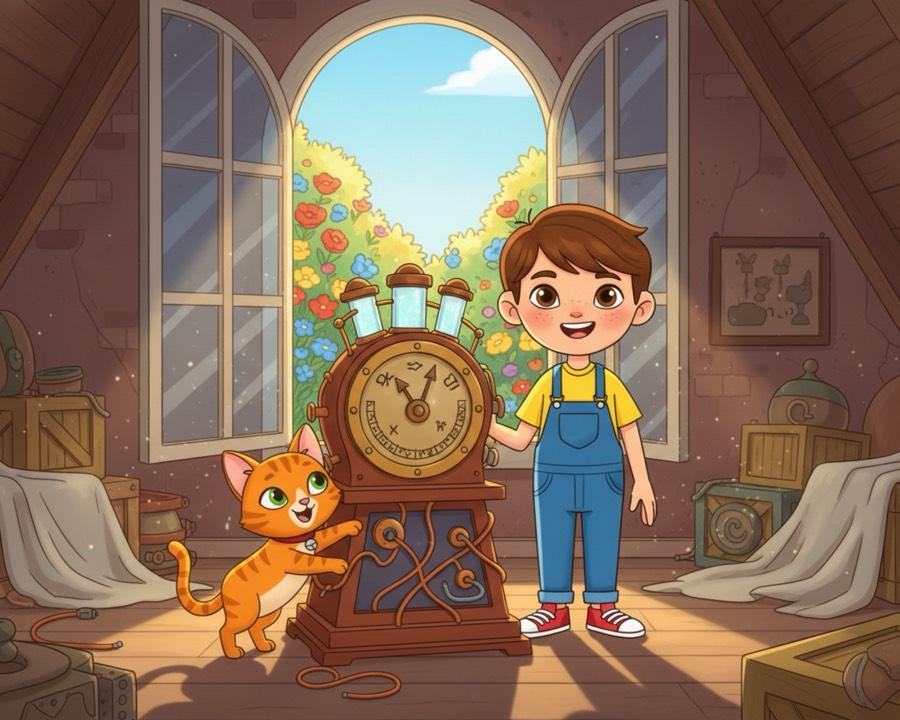
A grandparent's attic discovery that can change the weather.
Storybox keeps the flow simple so families can spend more time reading and less time managing screens.
The mystery can start with a toy, sound, letter, recipe, or something nobody remembers moving.
A color, track, sound, or odd detail gives the detective somewhere to look.
The ending can solve the case while leaving one small question for next time.
A good mystery lets the reader notice what the detective notices.
The missing object may have been borrowed, hidden, or trying to help.
Retelling the path is a natural way to talk about reading comprehension.
Yes. Choose the detective, missing object, setting, and clues that begin the case.
Yes. Keep the setting cozy and the problem low-stakes for a gentle nighttime story.
Yes. Pause before the ending and ask what they think happened.
Yes. Save the story and use the character for another case.