Read for meaning
A child can practice remembering, predicting, and explaining without starting from a random worksheet passage.
Reading-comprehension stories
Questions are easier to stay with when the passage has a character and problem worth following. Storybox makes a short illustrated story families can read, retell, and discuss together.
A child can practice remembering, predicting, and explaining without starting from a random worksheet passage.
A short story with an ending gives children a clear reason to keep reading.
Families can ask what happened, why it happened, and what the character might do next.
Each of these started as one idea said out loud. They are free to read, with a picture on every page and a button that reads them aloud.
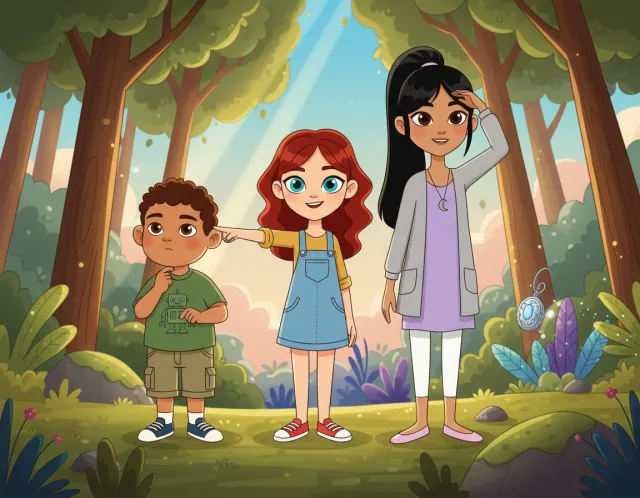
Clara, Samira and Benny set out to find a missing locket. Everyone brushes off Benny's strange clues, but he is the only one really listening.
Ages 8 to 10 7 min read
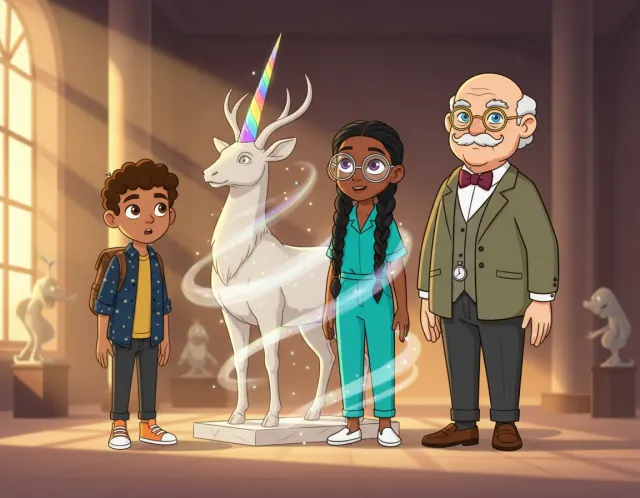
In the Hall of Shifting Sights, Kael and Zola look at the same exhibits and see completely different things, and they need both views to solve the museum's puzzle.
Ages 8 to 10 7 min read
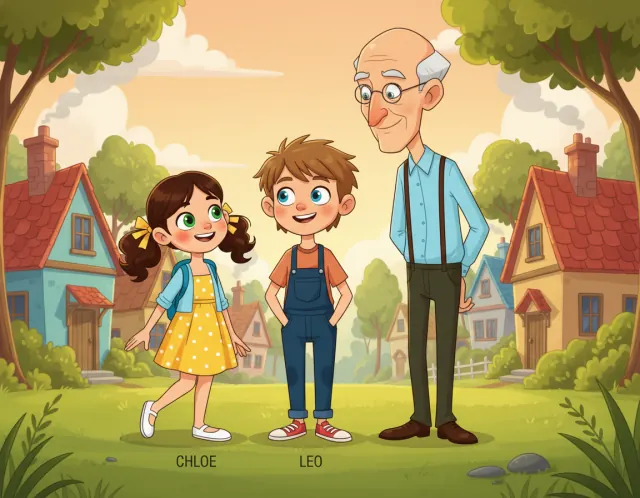
In Oakhaven everyone gets one question answered truthfully each year. Chloe asks about her lost ribbon, and Leo saves his question for something bigger.
Ages 8 to 10 6 min read
Storybox keeps the flow simple so families can spend more time reading and less time managing screens.
Your child picks the character, place, or topic that makes them want to know what happens.
Choose a reading level that is comfortable enough for the child to focus on meaning.
Ask about the beginning, problem, choice, and ending without turning the conversation into a test.
A single question about a character's choice can be better than a long quiz.
Pause before the ending and ask what they think the character will try next.
A second reading often reveals a detail the first pass moved too quickly to notice.
It can give families a short, meaningful story to read, retell, and discuss together.
Storybox is centered on story creation and shared reading; adults can ask their own questions about the finished story.
Choose a level that lets your child follow the story and talk about what happened.
No. Use it as an additional reading experience and work with teachers or specialists when targeted support is needed.