Put the dream on the page
A story gives a fuzzy, frightening feeling a beginning, middle, and ending a child can follow.
Bad-dream stories
After a bad dream, the feeling can stay after the details disappear. Your child says what they remember, and Storybox turns the night into a story where they can find a safer way through it.
A story gives a fuzzy, frightening feeling a beginning, middle, and ending a child can follow.
The child can decide what helper, tool, joke, or light enters the dream next time.
A calm story ends with the familiar room, the familiar grown-up, and the morning still coming.
Real Storybox stories
These are examples from Storybox stories, made from a child's own idea and turned into an illustrated adventure.
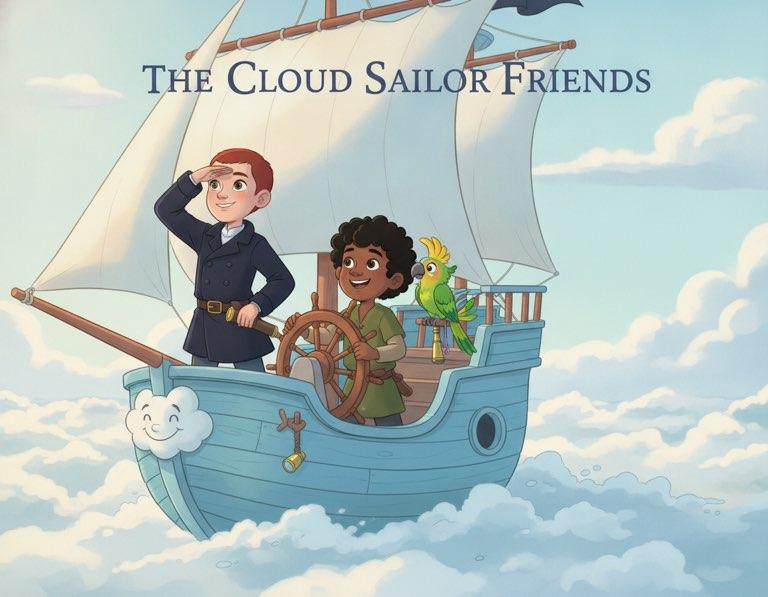
A pirate ship sailing through the clouds.

A trail of footprints that appears after the snow.
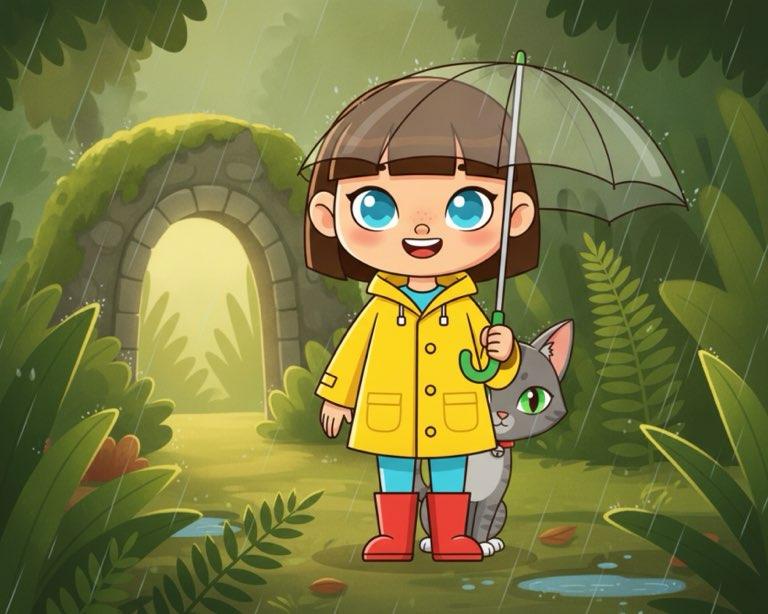
A secret tunnel that only appears when it rains.
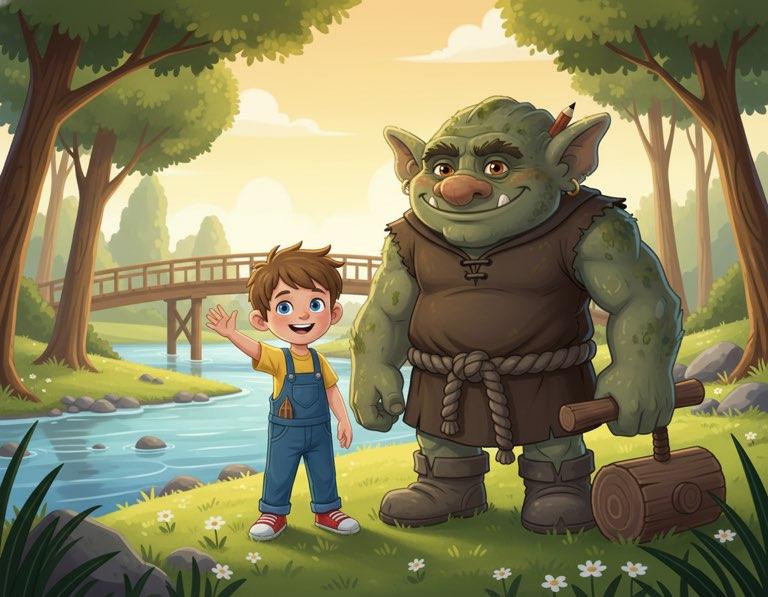
A troll who builds bridges instead of guarding them.
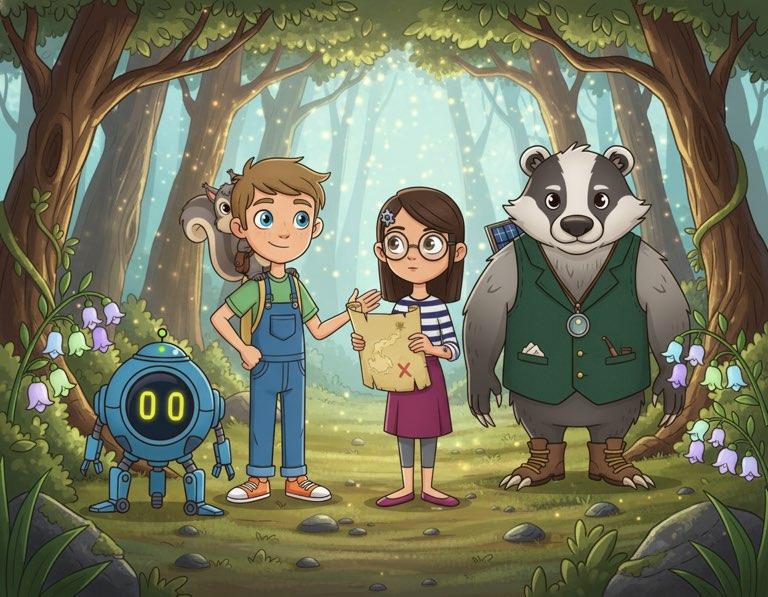
A forest mystery shared by a group of new friends.
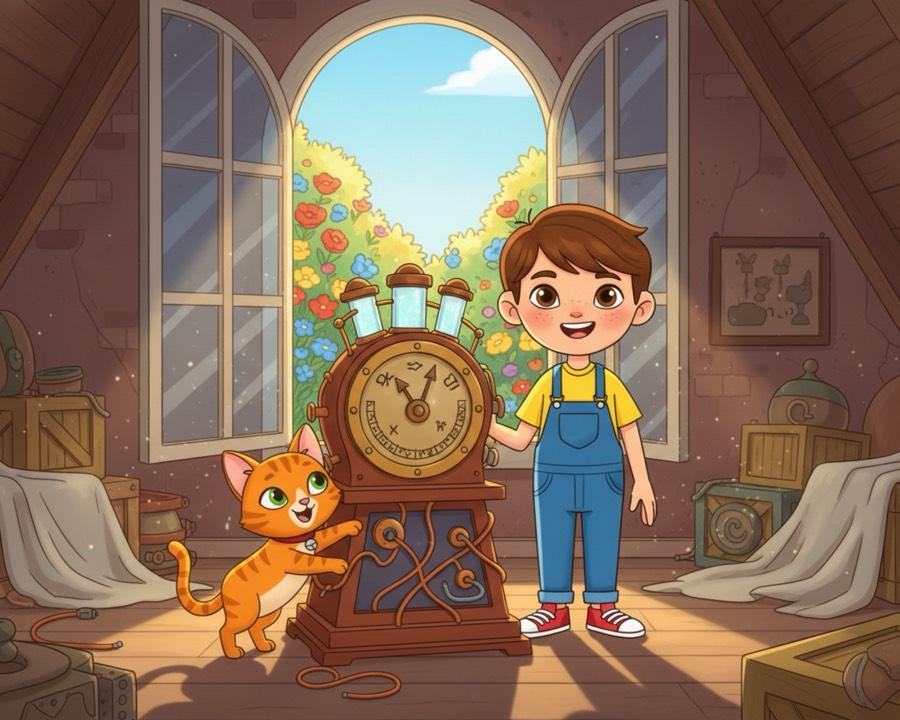
A grandparent's attic discovery that can change the weather.
Storybox keeps the flow simple so families can spend more time reading and less time managing screens.
Your child can share a character, color, sound, or feeling instead of retelling every detail.
Add a door, friend, flashlight, silly rule, or safe place the dream did not have before.
A new story can be easier to meet when the room is bright and nobody is rushing to sleep.
A child can work with a feeling without describing the whole dream.
A parent, sock, lamp, or favorite book can be as powerful as a magical creature.
The room, blanket, and morning are reassuring places to finish.
It can help a child express the feeling and imagine a different, gentler ending.
No. One image, sound, or feeling is enough to start a story.
Try daylight first, then decide whether it belongs in the bedtime routine.
Talk with your child's healthcare professional if nightmares are frequent, severe, or disrupting sleep.