Do not argue with the feeling
A story can take the fear seriously without making it bigger or pretending it is silly.
Fear-of-the-dark stories
When the room changes at night, a child's imagination can get loud. They say what the dark feels like, and Storybox makes a story where the night becomes something they can explore at their own pace.
A story can take the fear seriously without making it bigger or pretending it is silly.
Moonlight, familiar sounds, and a trusted companion can make the room feel knowable again.
The story can let your child decide when the character looks, waits, asks, or turns on a light.
Real Storybox stories
These are examples from Storybox stories, made from a child's own idea and turned into an illustrated adventure.

A pirate ship sailing through the clouds.

A trail of footprints that appears after the snow.
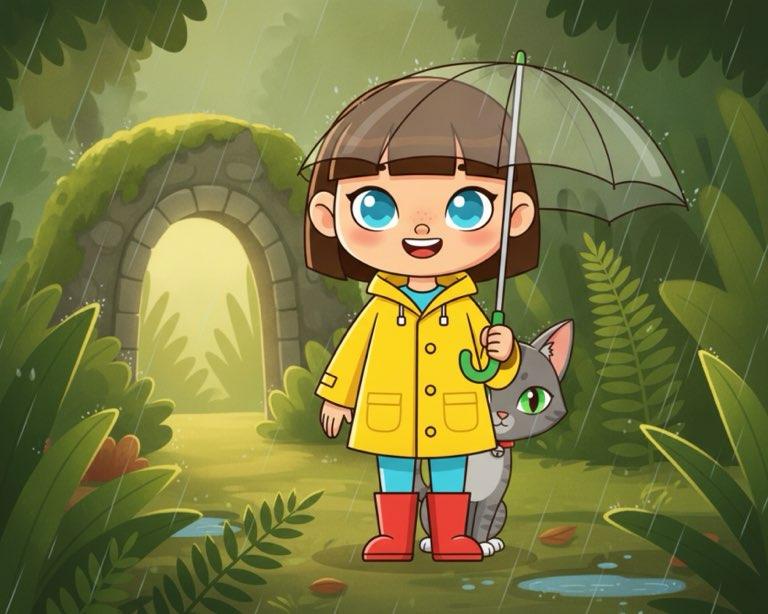
A secret tunnel that only appears when it rains.
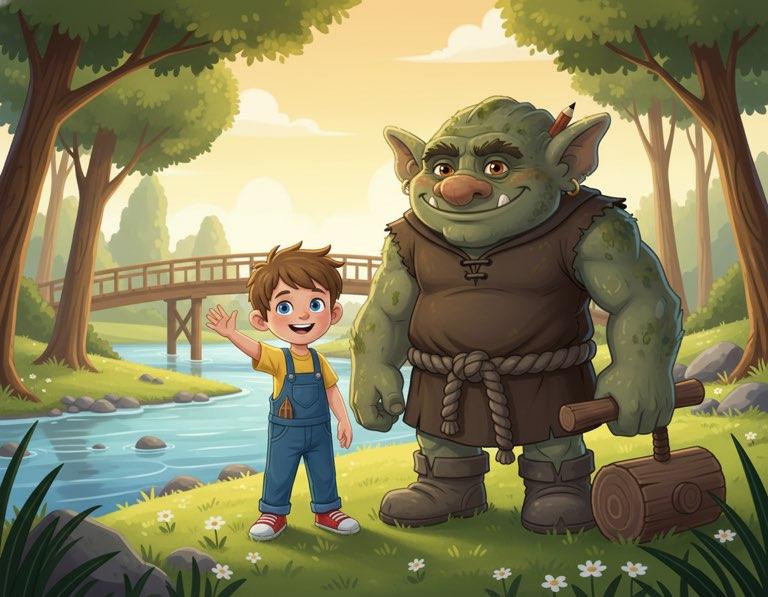
A troll who builds bridges instead of guarding them.
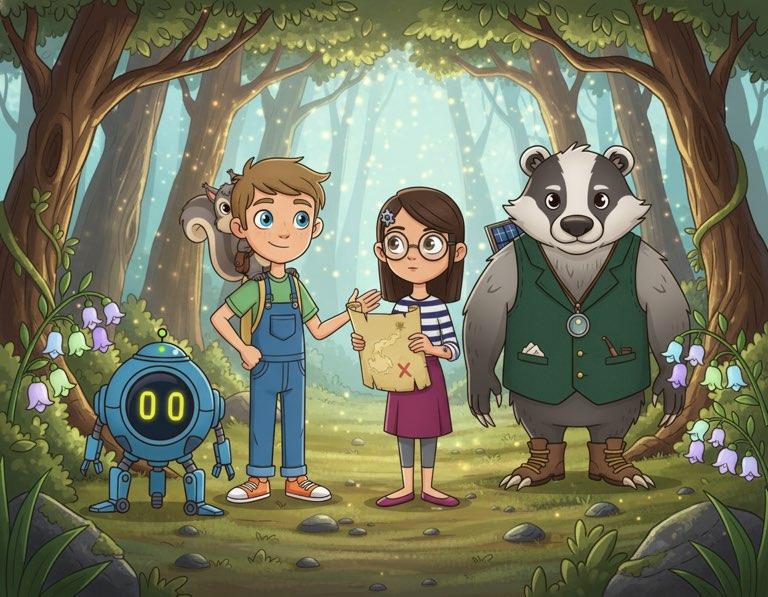
A forest mystery shared by a group of new friends.
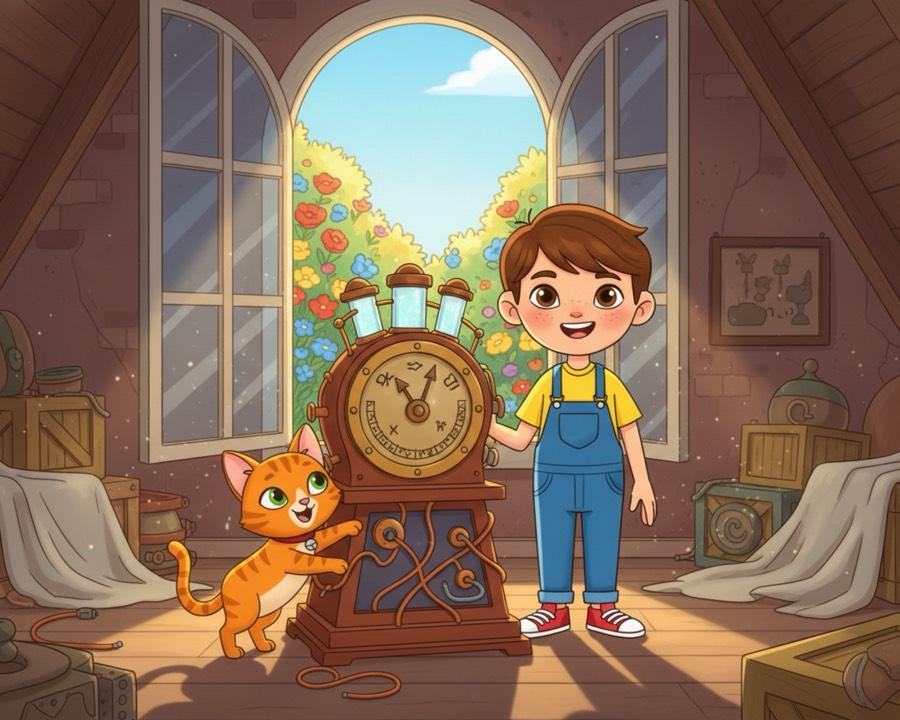
A grandparent's attic discovery that can change the weather.
Storybox keeps the flow simple so families can spend more time reading and less time managing screens.
It might be a shadow, a sound, a corner, or simply the feeling of not being able to see.
A parent, stuffed animal, pet, or gentle night creature can stay close in the story.
A small light, familiar blanket, and calm ending can bring the character back to bed.
The story should lower the temperature, not introduce a monster your child has to worry about later.
A familiar window, night-light, or stuffed animal makes the story feel grounded.
Comfort is not cheating. The story can include whatever helps your child feel safe.
It can give a child a gentle way to describe the feeling and imagine a safe response without arguing them out of it.
Only if your child wants one and the story remains reassuring. A calm night story does not need a scary threat.
Yes. A trusted person can be part of the story's steady ending.
Of course. The story should support your family's real bedtime routine.