Start with something real
The story can begin with the exact kind of thing children find hard to share.
Sharing stories
A favorite toy, a last cookie, or the best seat in the car can become a very big problem. Your child invents the characters and the object, then sees what the characters try next.
The story can begin with the exact kind of thing children find hard to share.
A character can want something badly without being called selfish for having the feeling.
Taking turns, finding another game, asking, and waiting can all become story choices.
Real Storybox stories
These are examples from Storybox stories, made from a child's own idea and turned into an illustrated adventure.
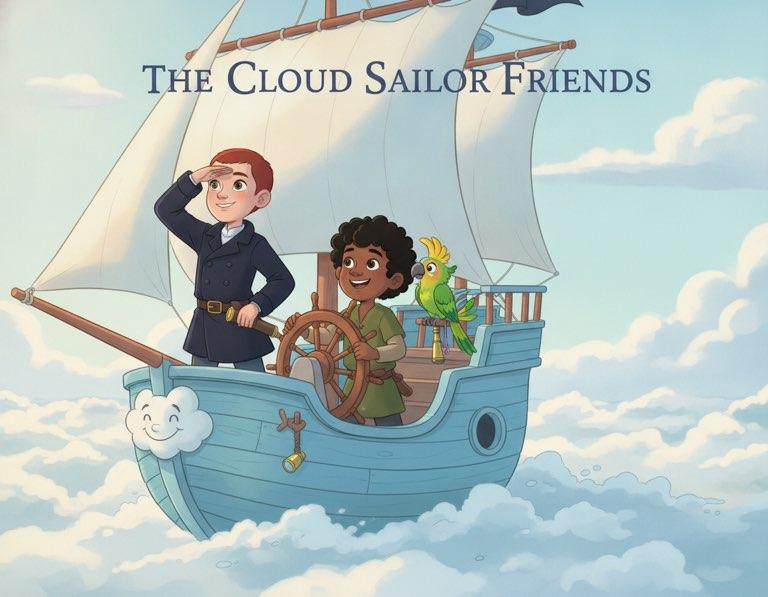
A pirate ship sailing through the clouds.
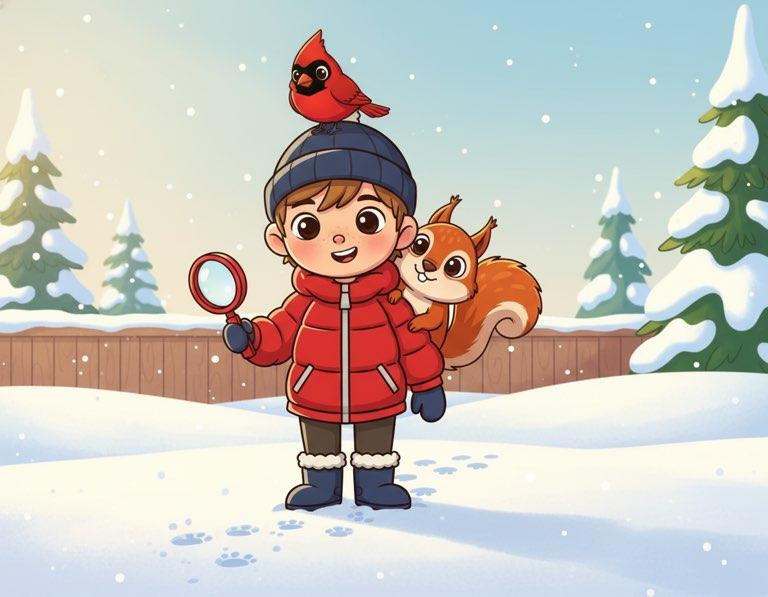
A trail of footprints that appears after the snow.
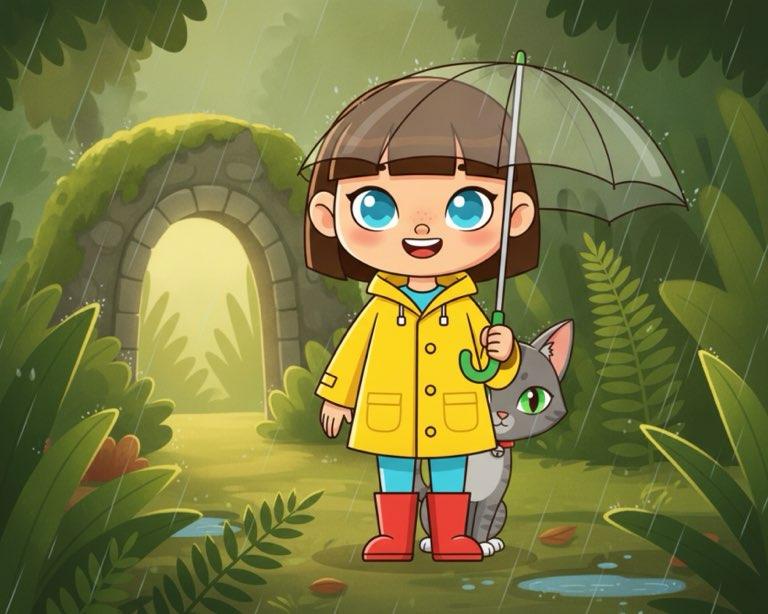
A secret tunnel that only appears when it rains.
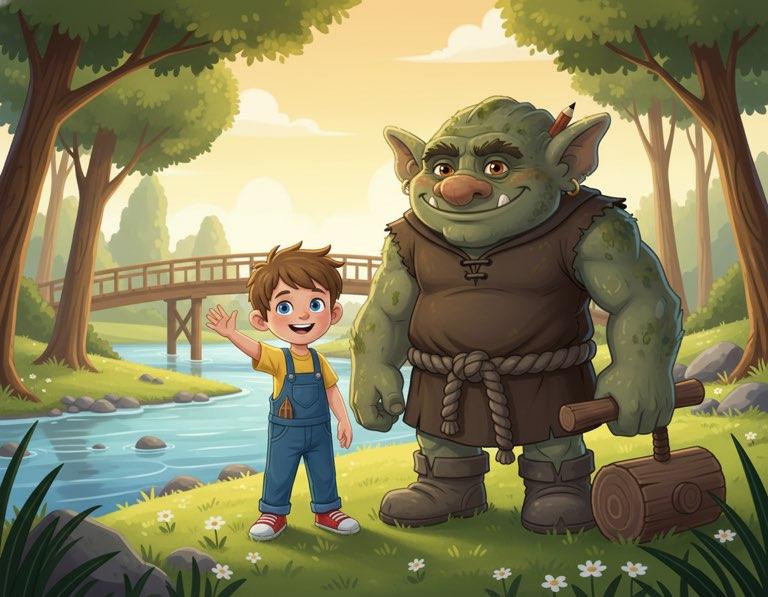
A troll who builds bridges instead of guarding them.
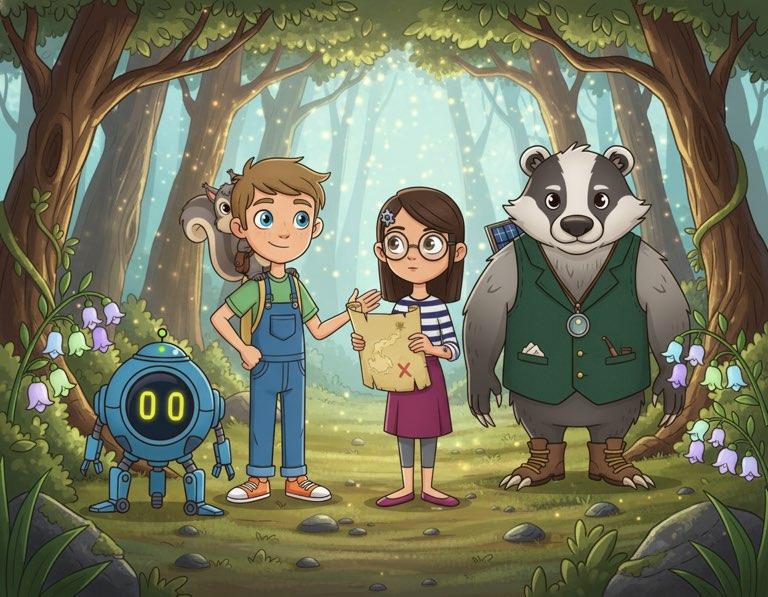
A forest mystery shared by a group of new friends.
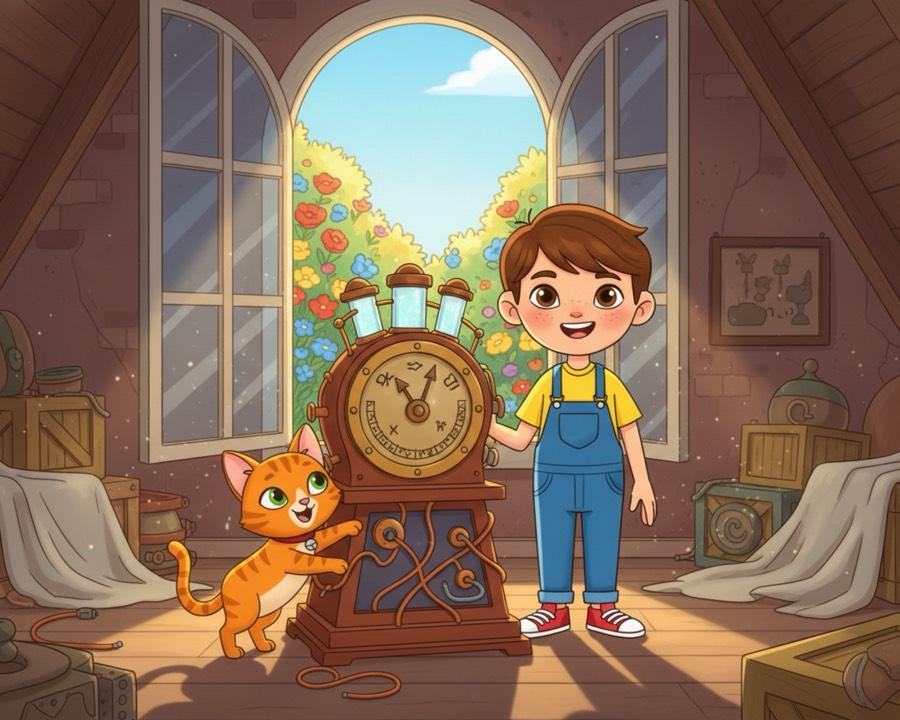
A grandparent's attic discovery that can change the weather.
Storybox keeps the flow simple so families can spend more time reading and less time managing screens.
It might be a toy, a turn, a place, or something completely magical.
Your child gives the story enough context for both sides to make sense.
The ending can show a compromise, a timer, a new idea, or a decision to wait.
A believable story includes the hard moment before the solution.
A concrete turn-taking tool can be easier to remember after reading about it.
Children may notice a solution adults did not expect.
It can let them explore different choices and feelings around sharing in a low-pressure story.
Yes, or they can be friends, animals, or invented creatures.
No. It can include turns, asking, waiting, another idea, or deciding what is fair.
Yes, although it is often easier to talk about while everyone is calm.