Keep a real detail
A mug, song, bench, scarf, or shared joke can make a goodbye story feel like a memory rather than a summary.
Goodbye stories
A move, a last day, a favorite teacher, or a change in the family can deserve its own story. Your child says what they want to remember, and Storybox helps hold it on the page.
A mug, song, bench, scarf, or shared joke can make a goodbye story feel like a memory rather than a summary.
A child can be sad, proud, curious, and angry in the same story.
The story can end with what stays, what can be carried, or what the child hopes to find next.
Real Storybox stories
These are examples from Storybox stories, made from a child's own idea and turned into an illustrated adventure.
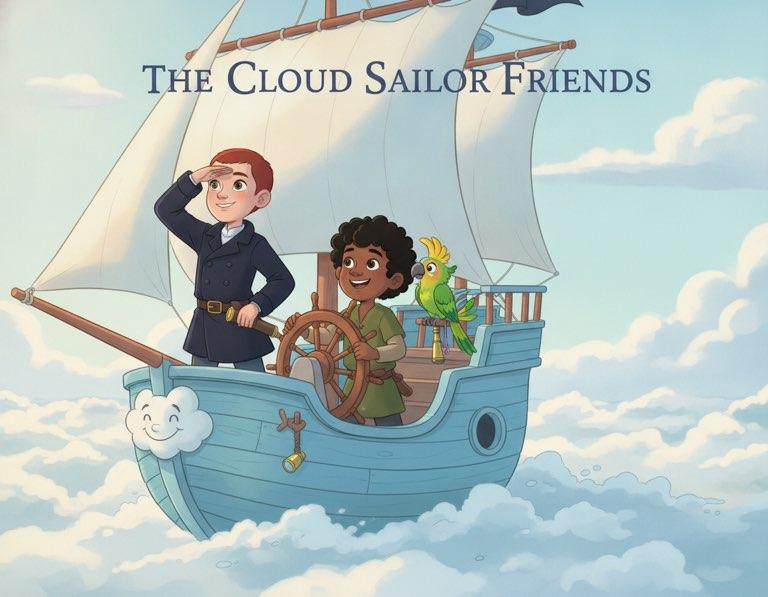
A pirate ship sailing through the clouds.

A trail of footprints that appears after the snow.
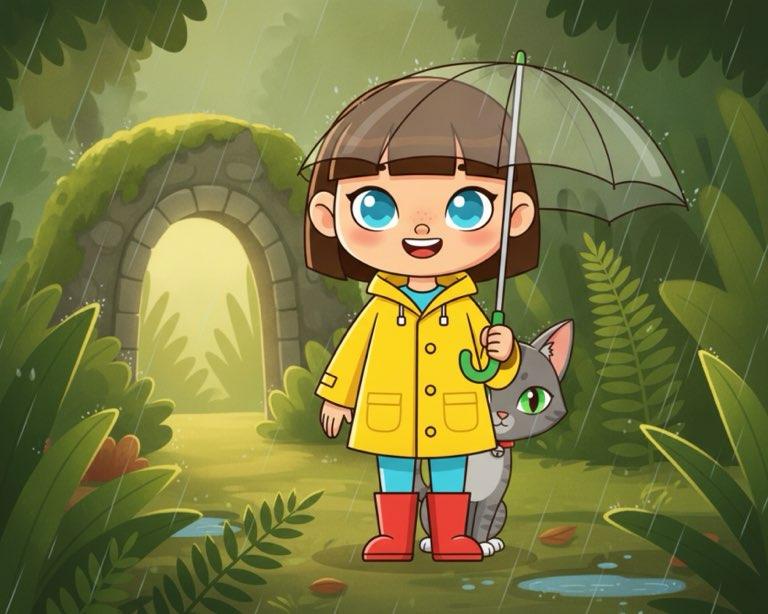
A secret tunnel that only appears when it rains.
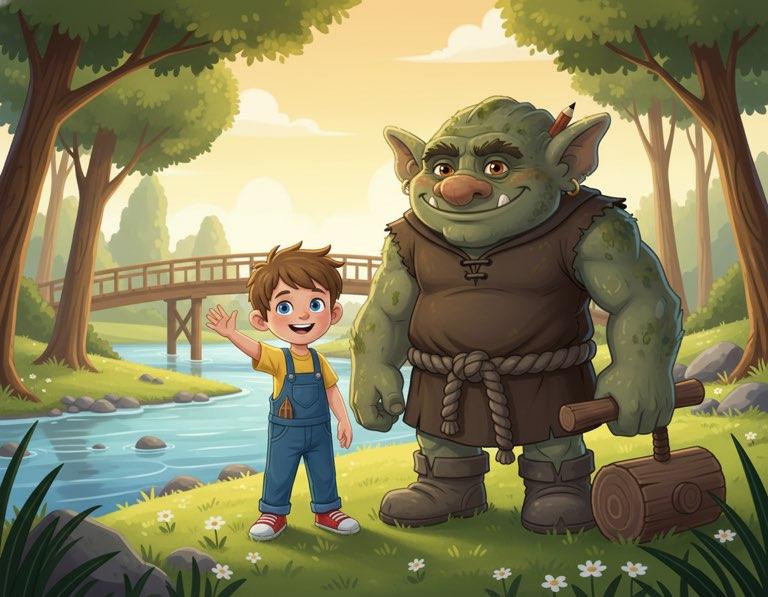
A troll who builds bridges instead of guarding them.
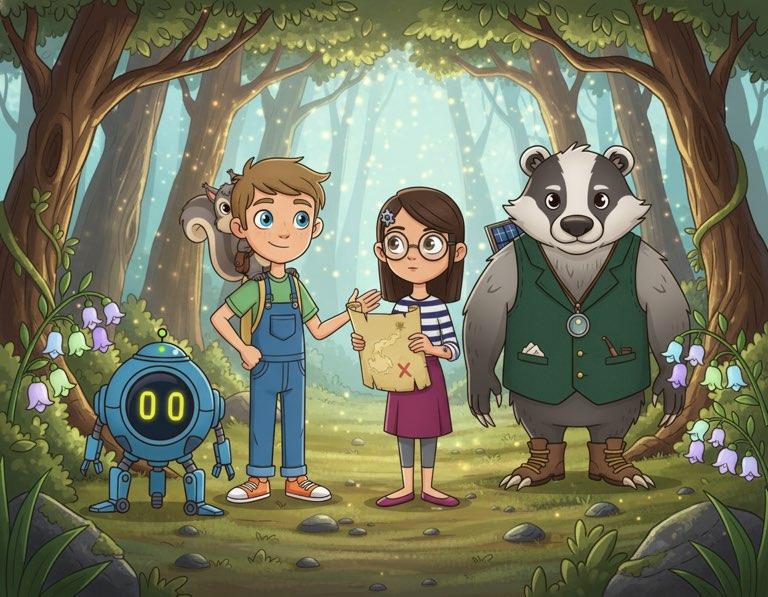
A forest mystery shared by a group of new friends.
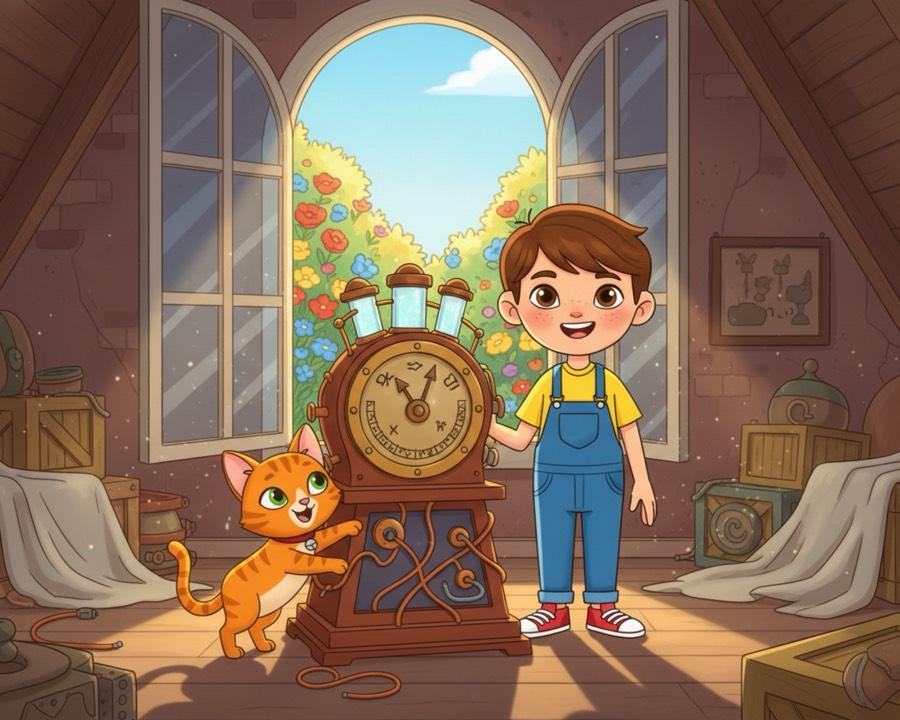
A grandparent's attic discovery that can change the weather.
Storybox keeps the flow simple so families can spend more time reading and less time managing screens.
Your child chooses the person, place, routine, or season they are saying goodbye to.
A memory, object, phrase, or tradition can travel with the character.
A story can be a gentle way to mark the change before or after the goodbye.
A goodbye page can be quiet. It does not need to turn immediately into a new adventure.
The detail they select will often matter more than the one an adult suggests.
Rereading can make a change feel like part of the family story instead of a vanished moment.
Yes. Your child can choose what is changing and what they want to remember.
Either. It can mark a move, a last day, a lost routine, or a change in the family.
Start with one object, place, or invented character. The story does not have to explain everything at once.
Yes. A story can help remember what mattered and what your child wants to carry forward.