Follow attention
Children often find the best learning subject before adults know to point it out.
Nature stories
A feather, beetle, puddle, cloud, or very loud bird can turn a walk into a question. Your child says what they saw, and Storybox brings that noticing back into a story.
Children often find the best learning subject before adults know to point it out.
A story about something seen on a walk gives the next reading moment a real-world anchor.
The story can lead naturally to a sketch, comparison, or small collection of observations.
Real Storybox stories
These are examples from Storybox stories, made from a child's own idea and turned into an illustrated adventure.
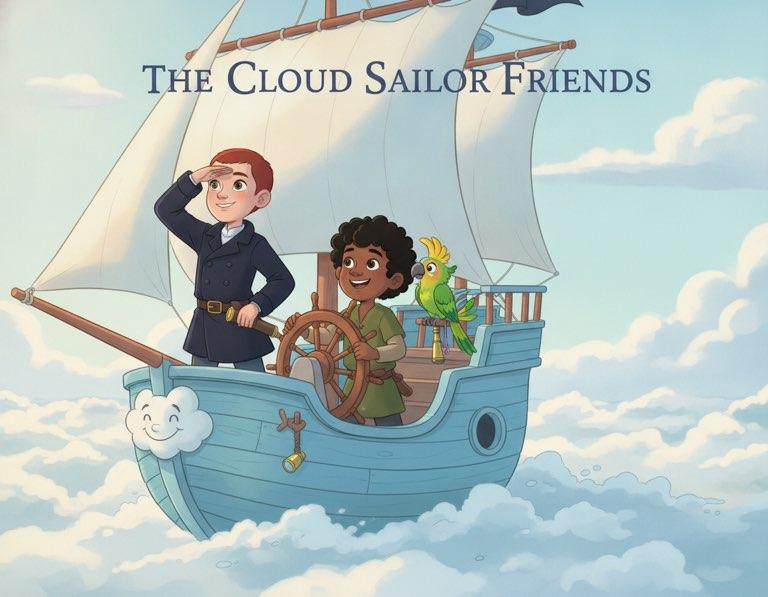
A pirate ship sailing through the clouds.
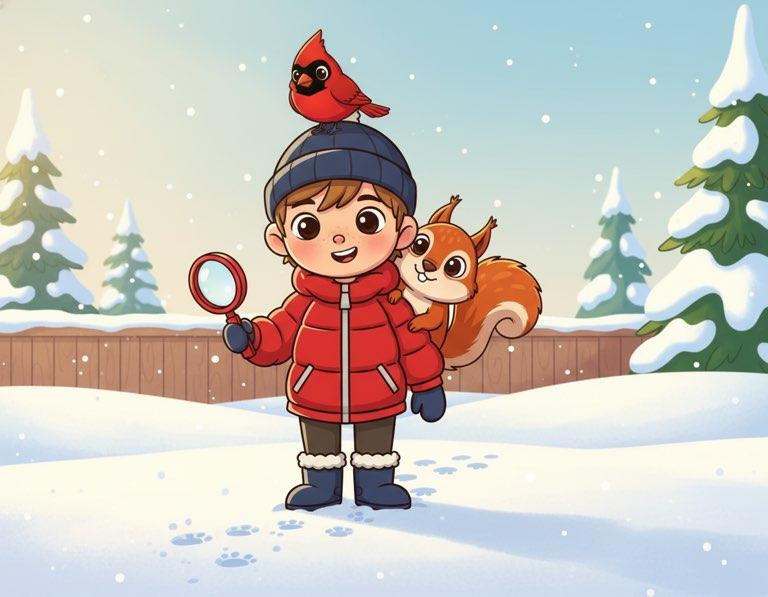
A trail of footprints that appears after the snow.
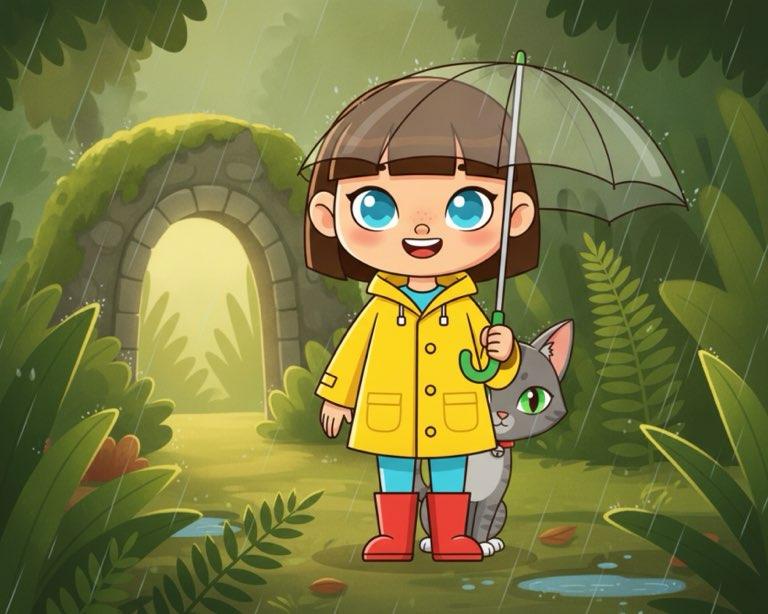
A secret tunnel that only appears when it rains.
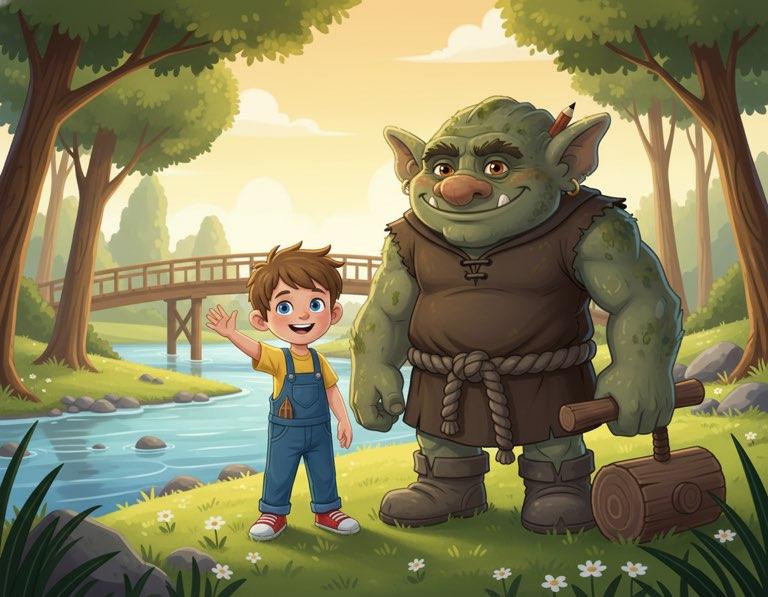
A troll who builds bridges instead of guarding them.
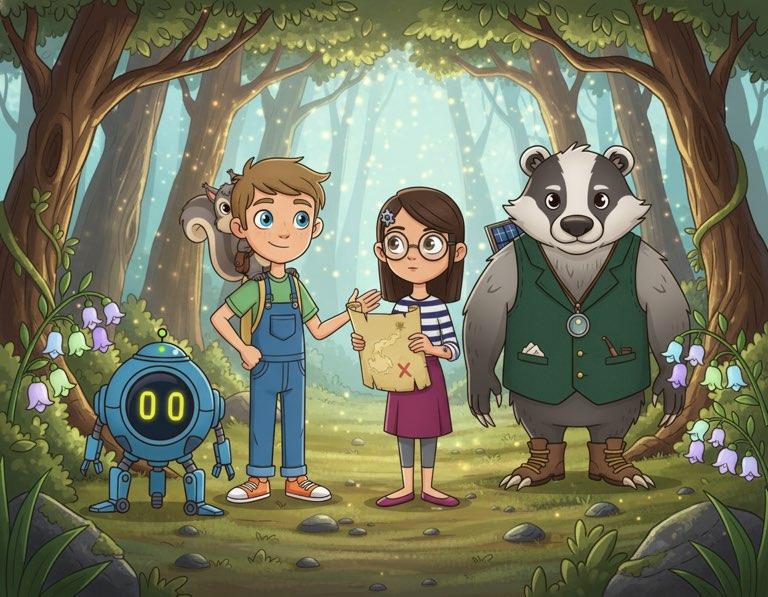
A forest mystery shared by a group of new friends.
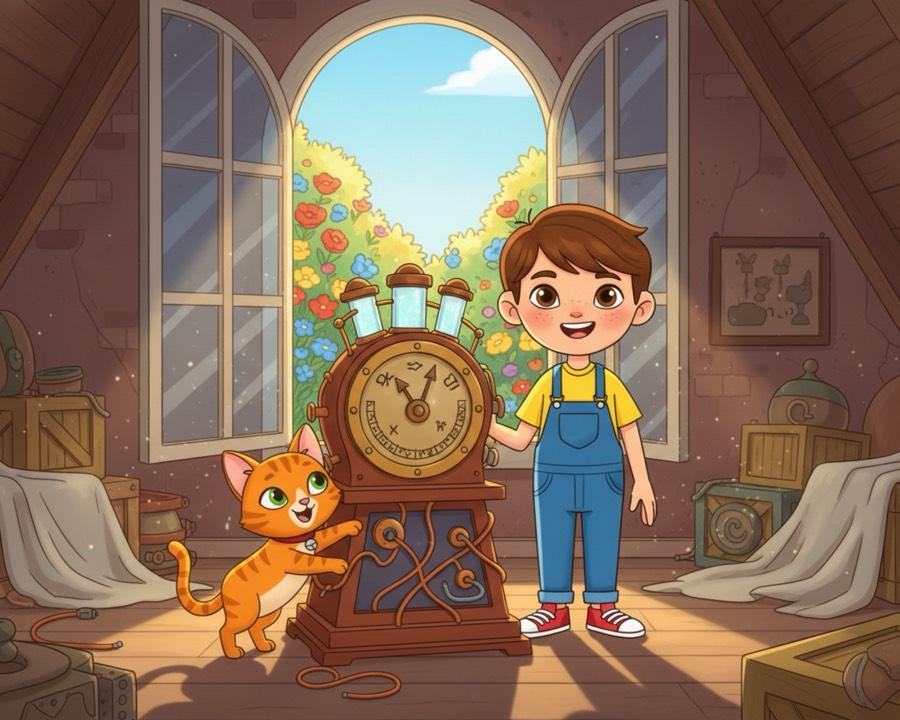
A grandparent's attic discovery that can change the weather.
Storybox keeps the flow simple so families can spend more time reading and less time managing screens.
Your child names the animal, plant, weather, sound, or mystery that caught their eye.
Where is it going? What does it need? What would a child-sized explorer notice next?
The story becomes a way to remember the walk and keep wondering.
Start with curiosity, then look up the exact answer together when it matters.
A backyard, park, sidewalk, or beach can make the story feel close to hand.
A color, sound, texture, or movement is enough to make the story specific.
Yes. Start with something your child noticed outside and let the story follow the question it created.
Yes. Animals, plants, weather, rocks, and ordinary neighborhood discoveries all work.
That is a great time to connect the real observation to the story.
For important facts, check a trusted source together. The story's job is to encourage curiosity and reading.