Keep the other person visible
The story can show what the mistake felt like to someone else without turning the child into a bad character.
Apology stories
Sometimes 'sorry' is the easy part and the repair is harder. Your child chooses the characters and mistake, and Storybox makes a story about noticing the impact and trying again.
The story can show what the mistake felt like to someone else without turning the child into a bad character.
A repair might be listening, returning something, helping, or giving the other person time.
The person who was hurt can need time. The story does not have to rush them.
Real Storybox stories
These are examples from Storybox stories, made from a child's own idea and turned into an illustrated adventure.
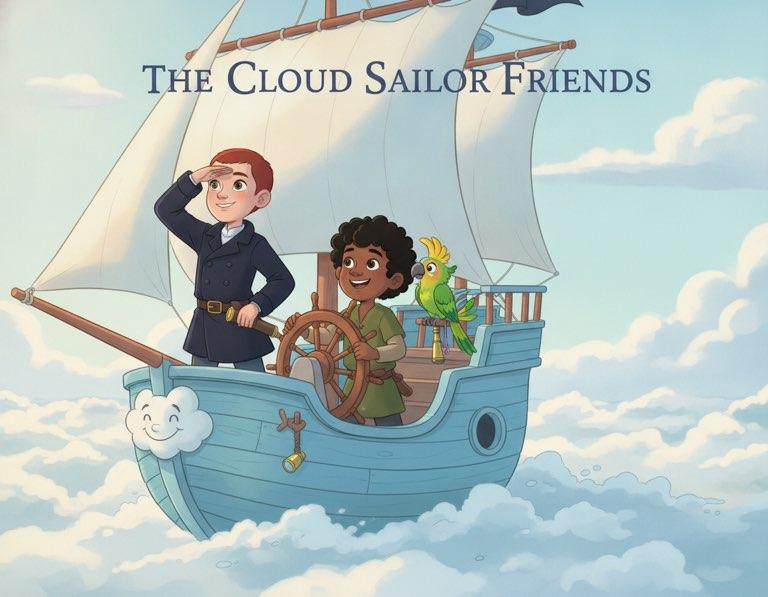
A pirate ship sailing through the clouds.
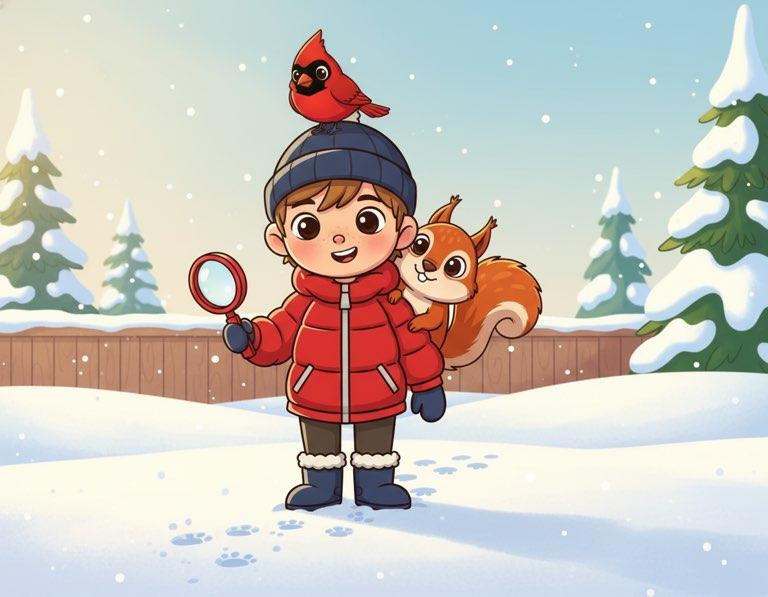
A trail of footprints that appears after the snow.
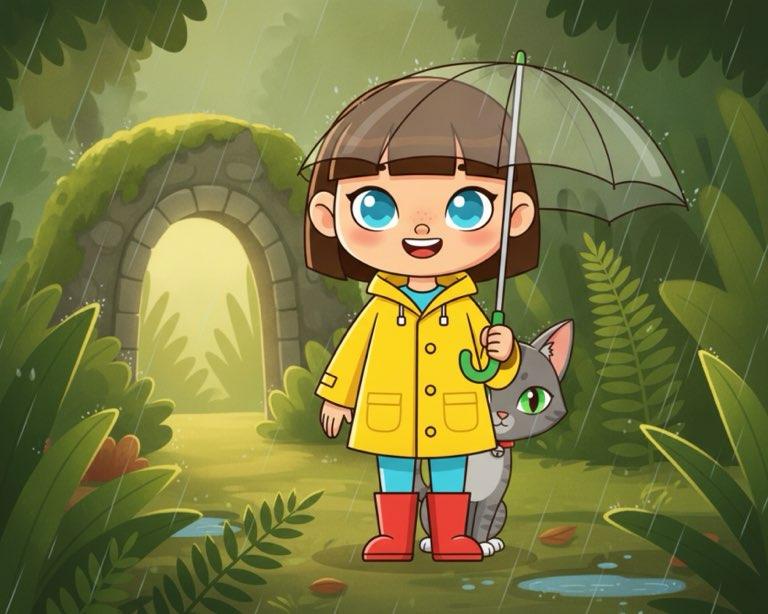
A secret tunnel that only appears when it rains.
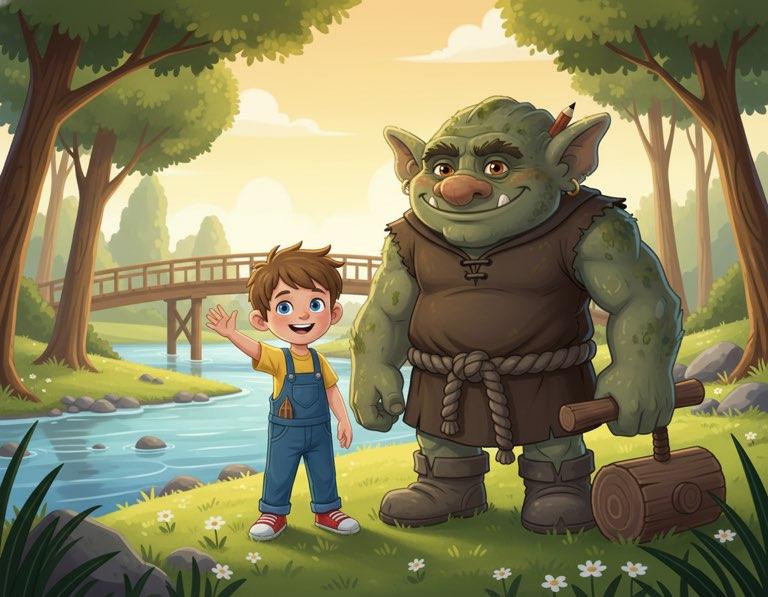
A troll who builds bridges instead of guarding them.
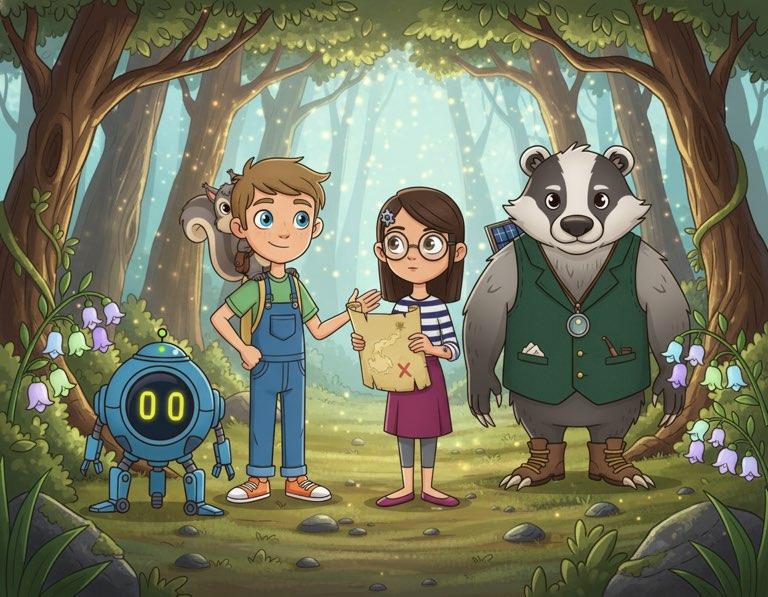
A forest mystery shared by a group of new friends.
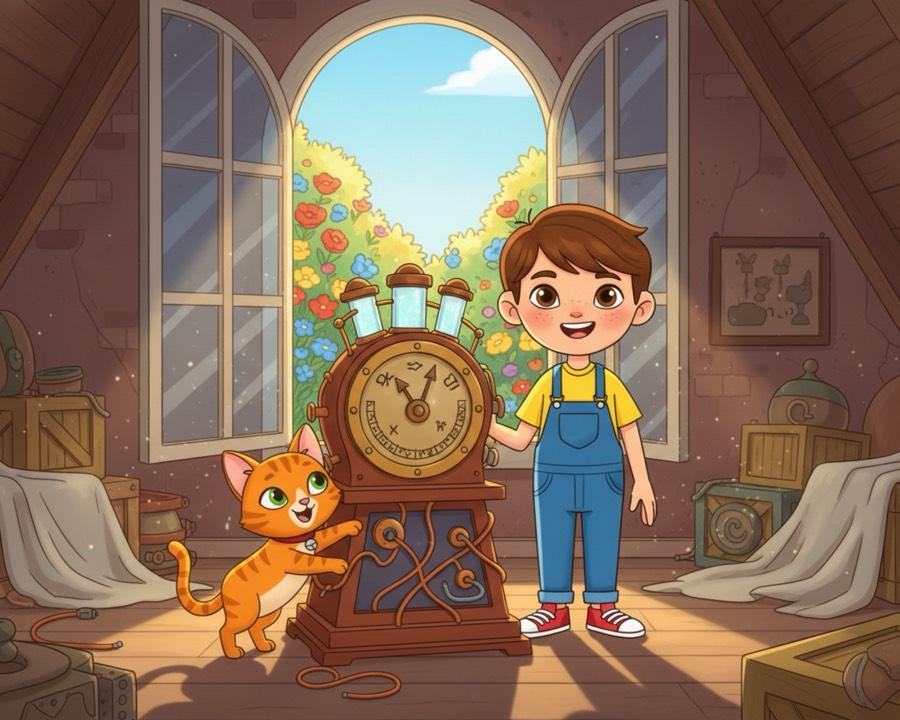
A grandparent's attic discovery that can change the weather.
Storybox keeps the flow simple so families can spend more time reading and less time managing screens.
It can be a real moment or an invented one that feels easier to explore.
Your child helps the story notice more than one point of view.
The character chooses an action that shows they understand and want to do something different.
A meaningful apology can be offered even when the other person needs time.
Fixing, returning, listening, and changing a plan are more useful than a vague promise.
Children need grown-up help when a situation involves safety or serious harm.
It can show the difference between saying a word and taking a real next step to repair harm.
Yes. Choose the relationship that makes the situation feel meaningful.
The story can make room for that. Repair does not control another person's feelings.
Yes. Distance can help a child explore a difficult idea without feeling put on the spot.