Start with fascination
Children often bring more detail to an animal story than an adult could invent for them.
Animal adventure stories
A fox with a map, a whale who hears songs, or a very determined backyard ant can start the story. Your child chooses the animal and the problem, and Storybox makes the pages.
Children often bring more detail to an animal story than an adult could invent for them.
A pond, desert, tree canopy, or kitchen floor can give the adventure its own rules.
The story can be magical while keeping respect for real animals and the places they live.
Real Storybox stories
These are examples from Storybox stories, made from a child's own idea and turned into an illustrated adventure.
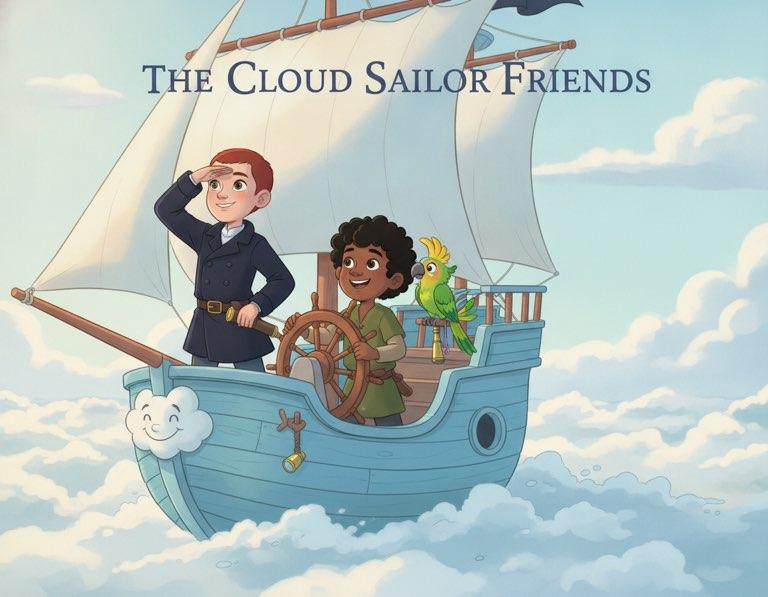
A pirate ship sailing through the clouds.
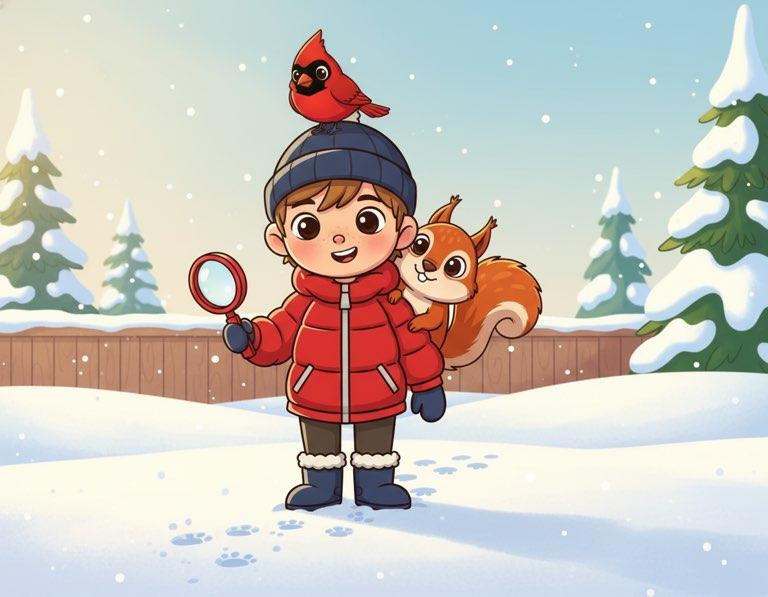
A trail of footprints that appears after the snow.
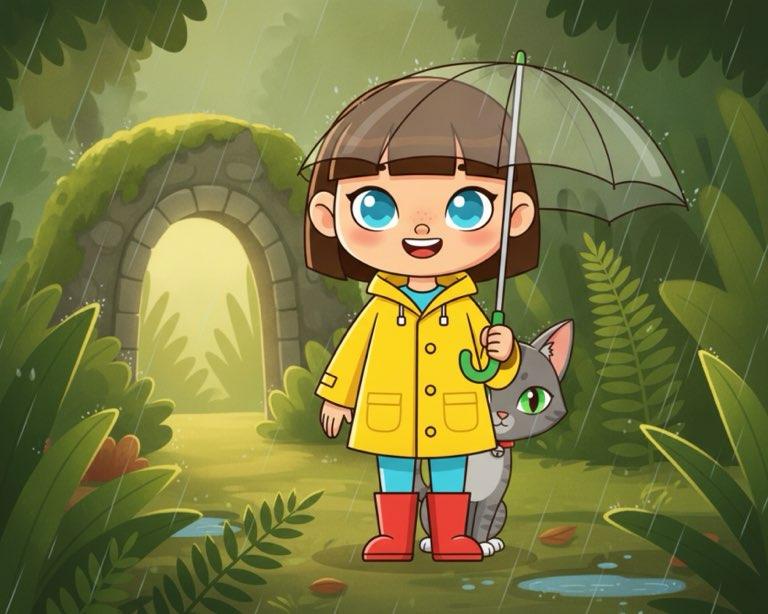
A secret tunnel that only appears when it rains.
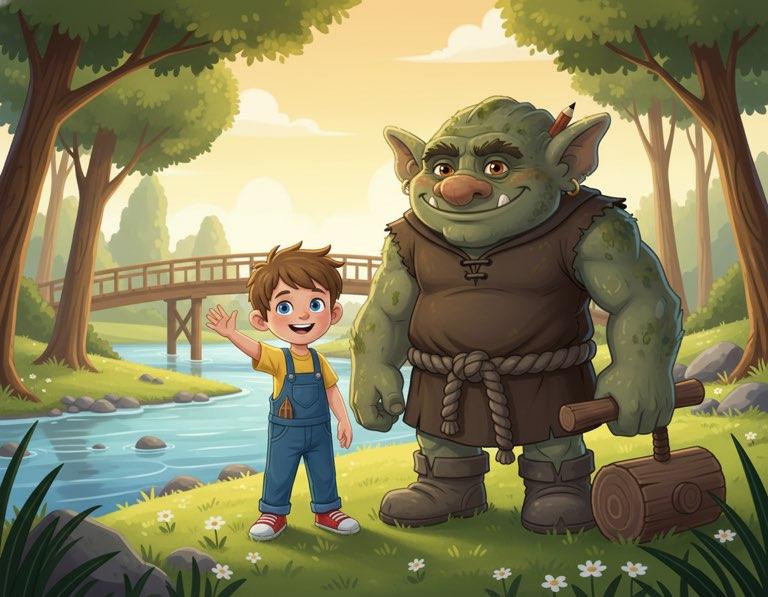
A troll who builds bridges instead of guarding them.
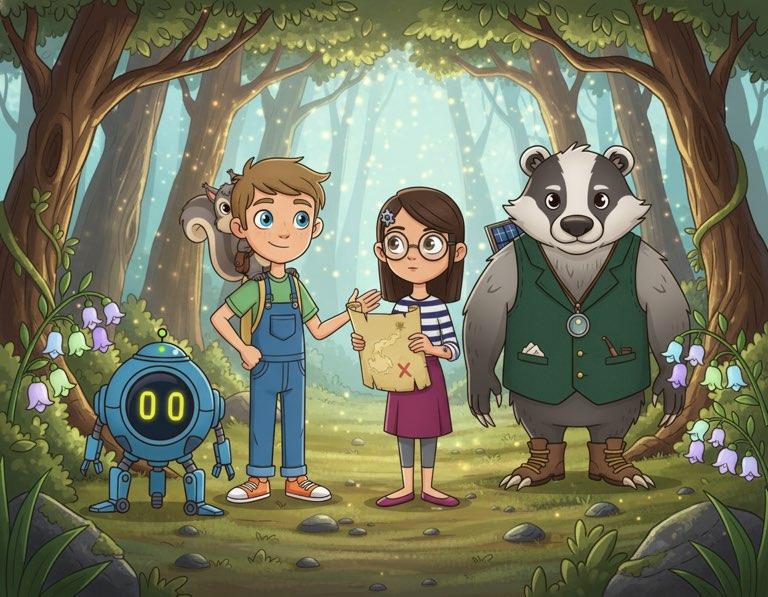
A forest mystery shared by a group of new friends.
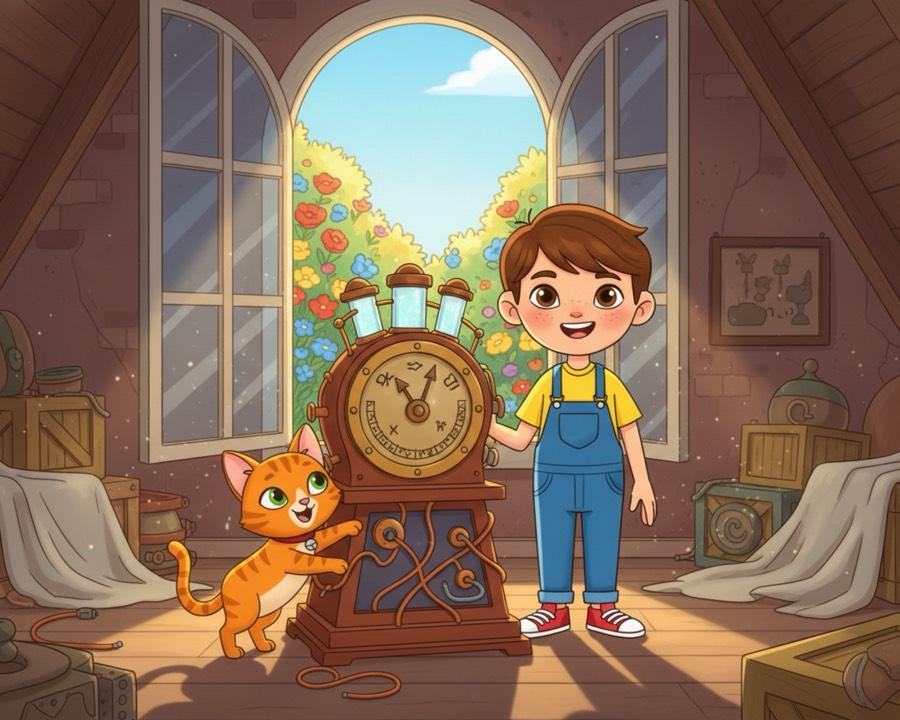
A grandparent's attic discovery that can change the weather.
Storybox keeps the flow simple so families can spend more time reading and less time managing screens.
Your child can use a favorite animal, a recent discovery, or something they have never seen before.
A missing friend, new habitat, strange sound, or surprising visitor can start the adventure.
The finished story makes a favorite animal worth returning to on the next reading.
A true detail can make a made-up animal story feel more vivid.
A name often tells you what kind of story the animal wants.
After the story, follow one question into a real animal book or trusted source.
Yes. Choose an animal, habitat, problem, or creature your child wants to explore.
Yes. Real pets and wild animals both make strong story starting points.
It can include learning ideas, but check important facts with a trusted source.
Of course. A talking animal can still have a story grounded in kindness and curiosity.