Make the change visible
A story can walk through the new door, the new desk, and the small routines that stay familiar.
New classroom stories
A new teacher, new seats, or a class in a different room can make a normal school day feel big. Your child says what changed, and Storybox makes a story from it.
A story can walk through the new door, the new desk, and the small routines that stay familiar.
A child does not need to know everything. The story can include asking where to put a coat or who to sit beside.
A friend, book, classroom pet, or familiar grown-up can make a changed room feel possible.
Real Storybox stories
These are examples from Storybox stories, made from a child's own idea and turned into an illustrated adventure.
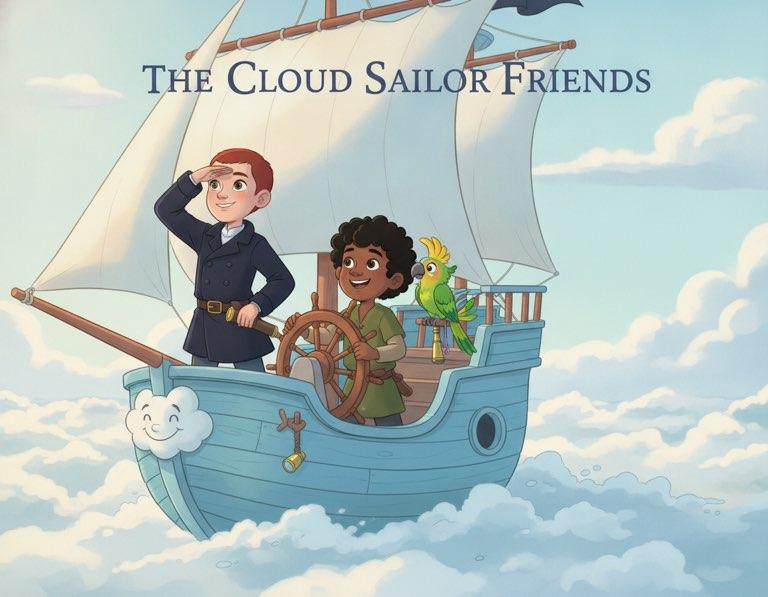
A pirate ship sailing through the clouds.

A trail of footprints that appears after the snow.
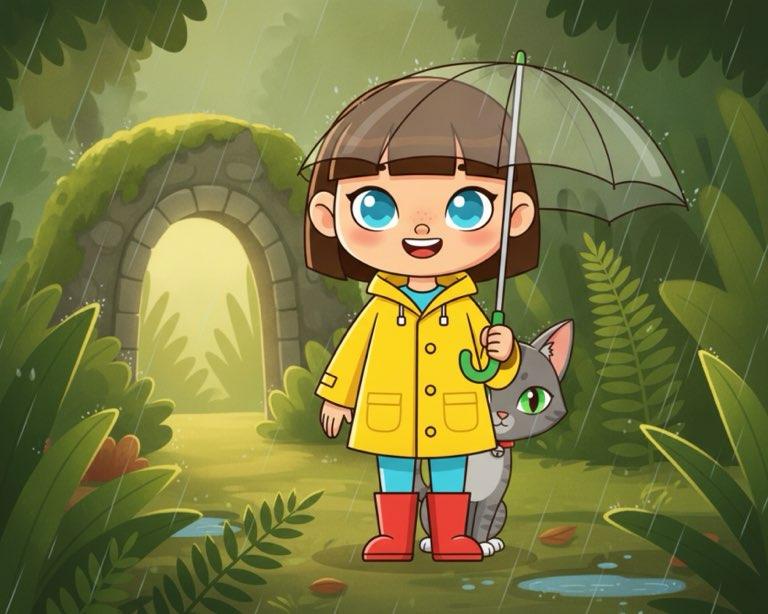
A secret tunnel that only appears when it rains.
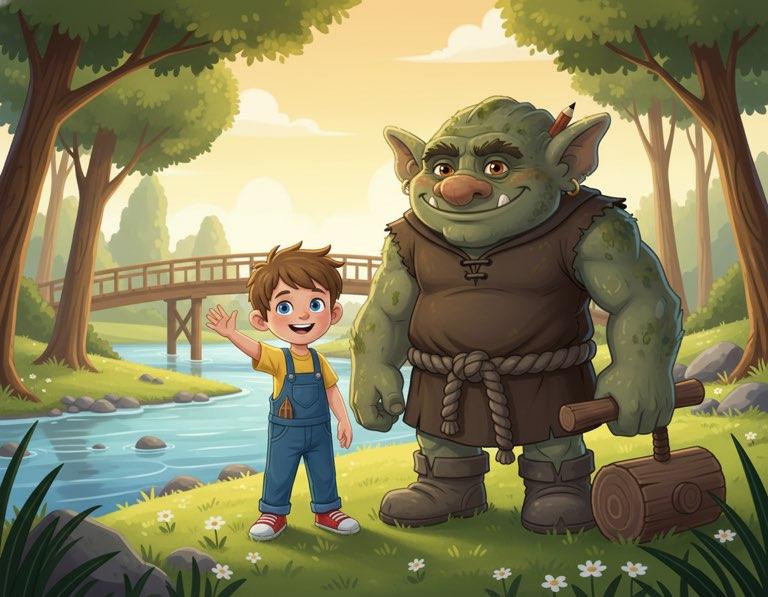
A troll who builds bridges instead of guarding them.
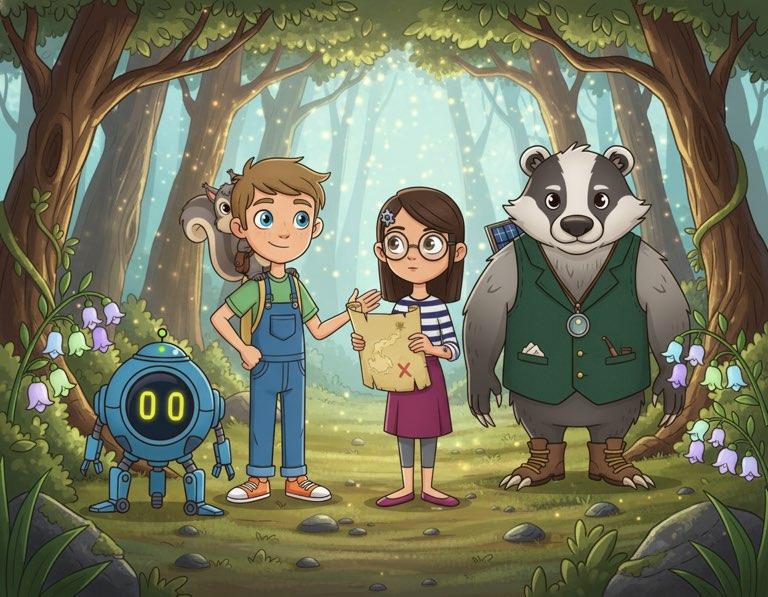
A forest mystery shared by a group of new friends.
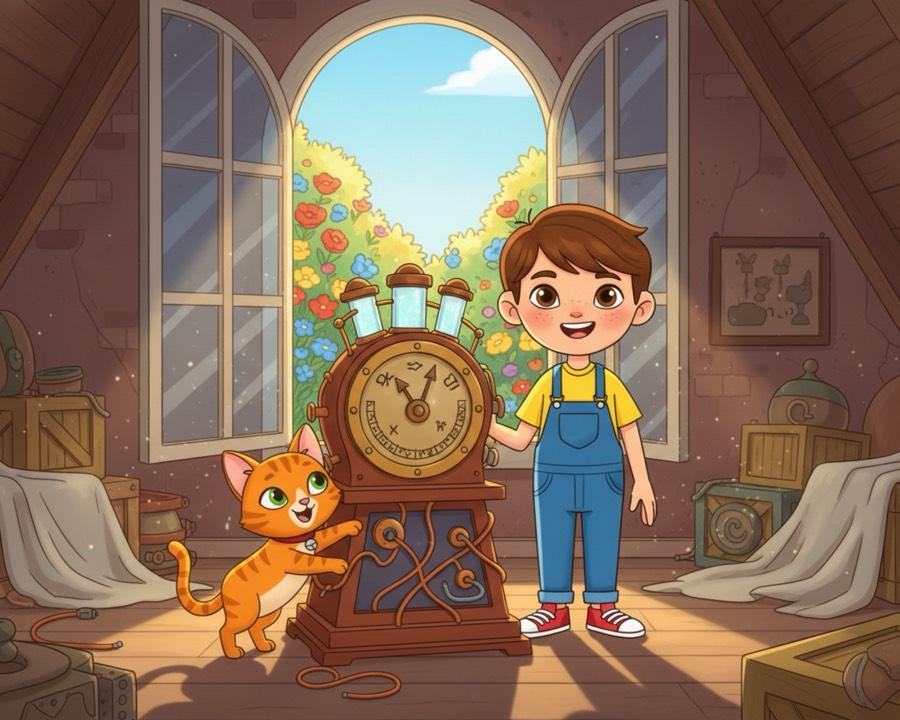
A grandparent's attic discovery that can change the weather.
Storybox keeps the flow simple so families can spend more time reading and less time managing screens.
Your child names the new room or routine and the part they are most curious about.
Add one thing that stays the same, like a lunchbox, teacher, friend, or favorite subject.
Keep the story short and concrete so it helps without making the change feel bigger.
A story works best when it includes the things your child will actually see.
A question in the story is not a failure. It is a way to practice finding an answer.
The story can become a record of what was new and what became ordinary.
It can make the changed parts more concrete and give your child a way to talk about the day before it happens.
Yes. Your child can choose the people and classroom details in the story.
It works for preschool through early elementary readers, with a reading level you can set.
Yes. A story can help your child process what felt strange and what went better than expected.