Let home language lead
A story feels more personal when children can use the words that sound like their family.
Multilingual family stories
A home can hold several ways of saying hello, comfort, food, and family. Your child helps shape the story, and families can choose the language that feels right for the reading moment.
A story feels more personal when children can use the words that sound like their family.
Different words can become part of the story rather than something that needs to be hidden.
A name, song, meal, or greeting can carry more meaning than a generic adventure.
Real Storybox stories
These are examples from Storybox stories, made from a child's own idea and turned into an illustrated adventure.
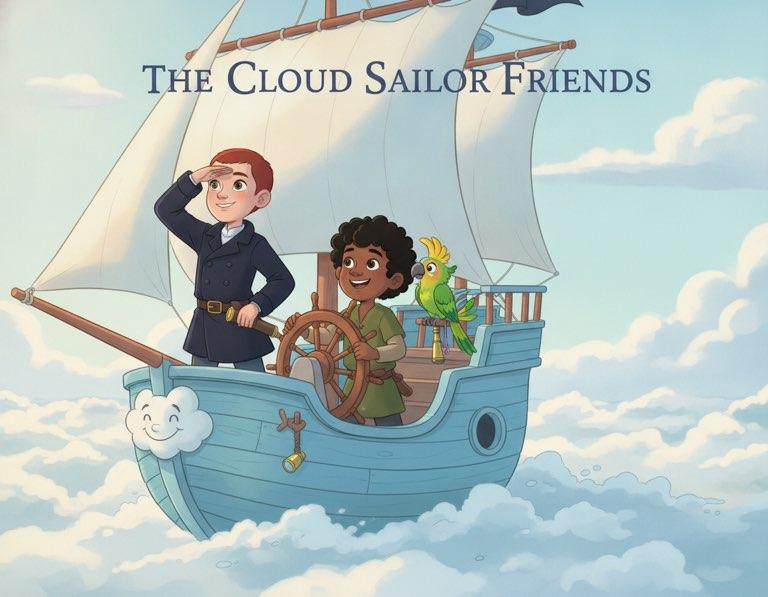
A pirate ship sailing through the clouds.

A trail of footprints that appears after the snow.
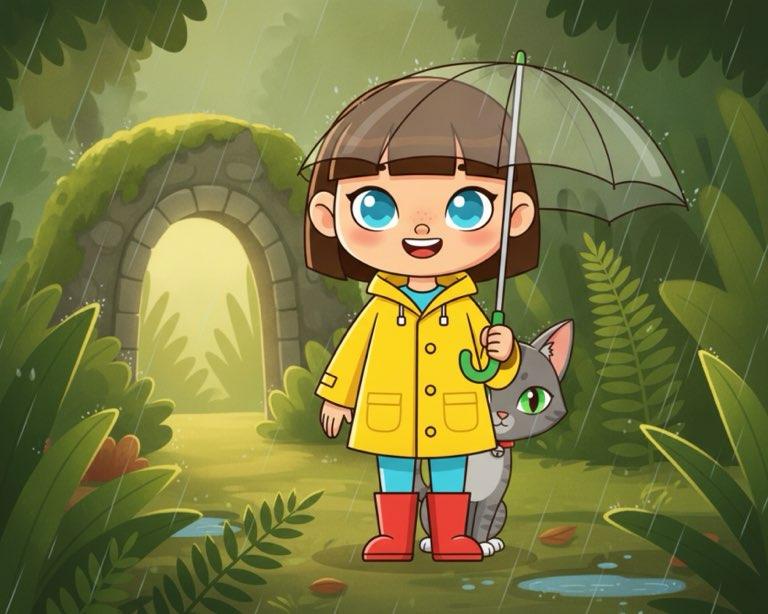
A secret tunnel that only appears when it rains.
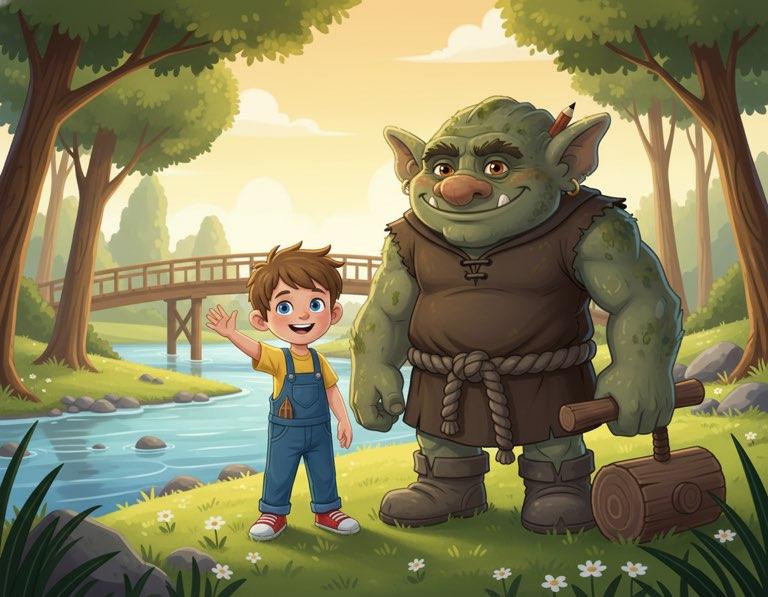
A troll who builds bridges instead of guarding them.
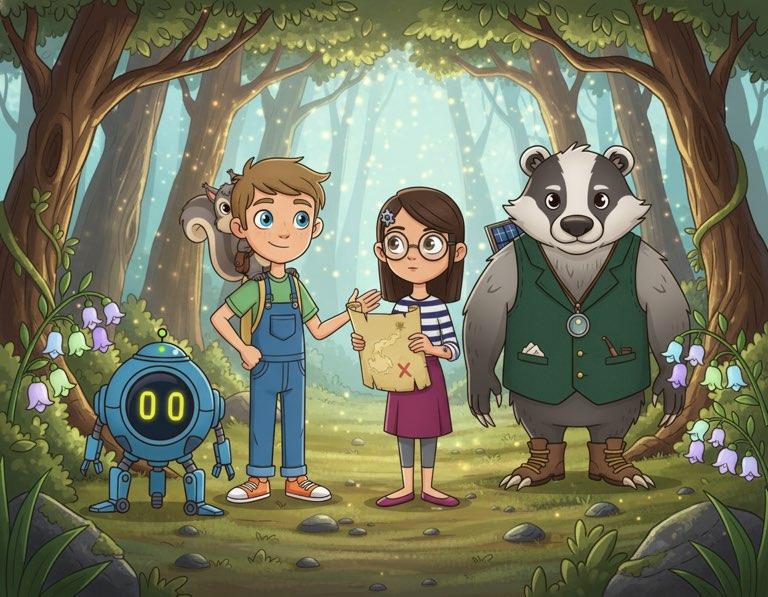
A forest mystery shared by a group of new friends.
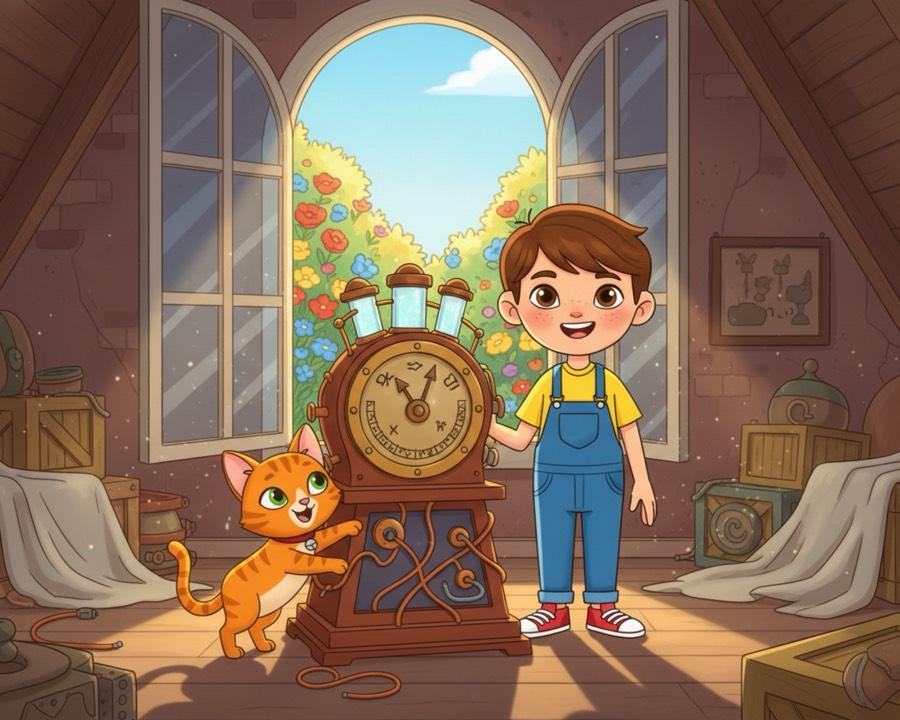
A grandparent's attic discovery that can change the weather.
Storybox keeps the flow simple so families can spend more time reading and less time managing screens.
Start with a meal, visit, bedtime, holiday, or ordinary phrase that belongs to home.
Your child can include familiar words, names, and expressions from the languages they hear.
Choose the language for the moment, then talk about the words that feel special.
Pronunciation, rhythm, and family usage are part of what makes a story yours.
A grandparent or bilingual family member can add a word or phrase to the next story.
A story can be reread in different languages as the family wants.
Storybox includes language choices so families can shape the reading experience around the language they want to use.
Yes. Names, greetings, foods, songs, and phrases can become part of the story idea.
It can make both languages feel like natural parts of a child's creative and reading life.
Yes. A multilingual story can be a lovely shared project across generations.