Start with meaning
A letter can live inside a name, animal, or object your child already wants to talk about.
Letter-learning stories
A letter is easier to notice when it belongs to something your child cares about. Start with a favorite animal, toy, or place, and Storybox turns the sound into a story to read aloud.
A letter can live inside a name, animal, or object your child already wants to talk about.
The story can notice sounds and words without feeling like a flashcard session.
Rereading gives children another chance to recognize words they helped choose.
Real Storybox stories
These are examples from Storybox stories, made from a child's own idea and turned into an illustrated adventure.
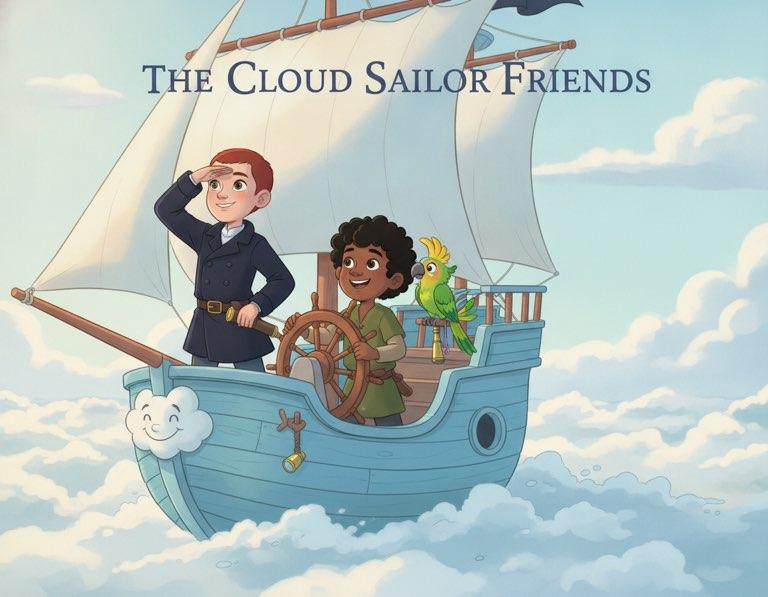
A pirate ship sailing through the clouds.
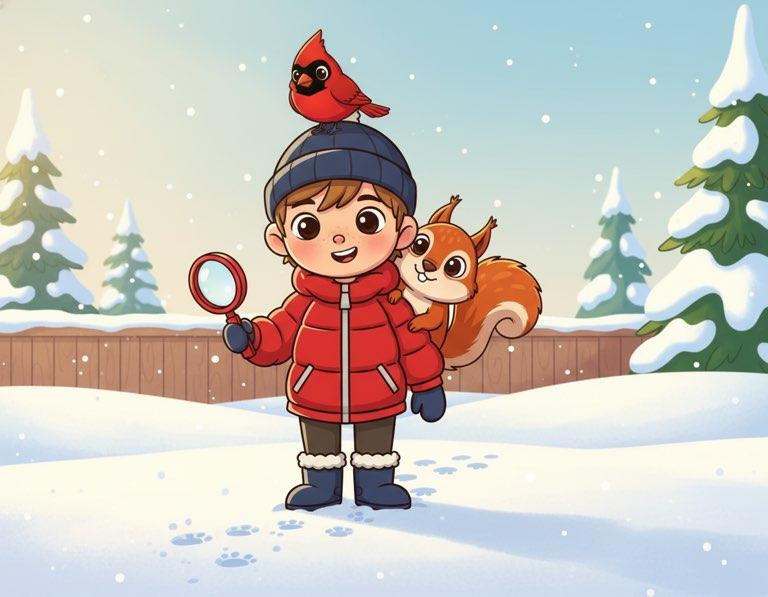
A trail of footprints that appears after the snow.
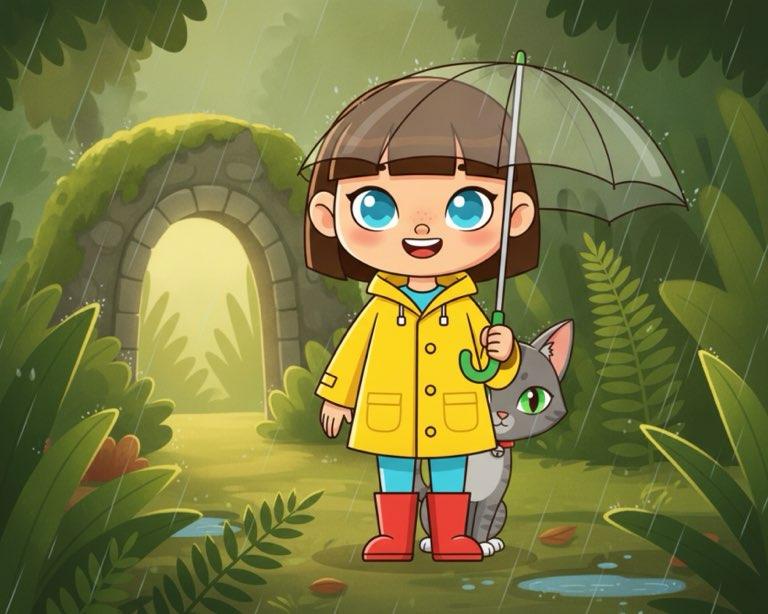
A secret tunnel that only appears when it rains.
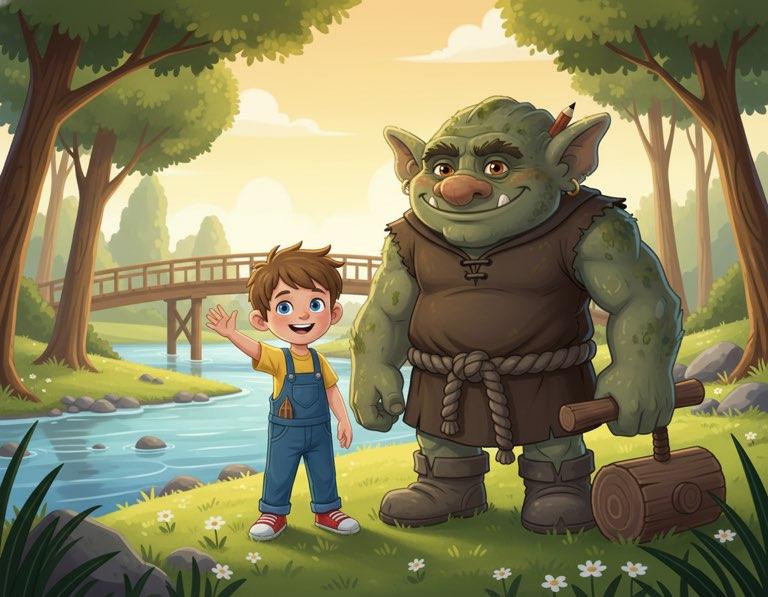
A troll who builds bridges instead of guarding them.
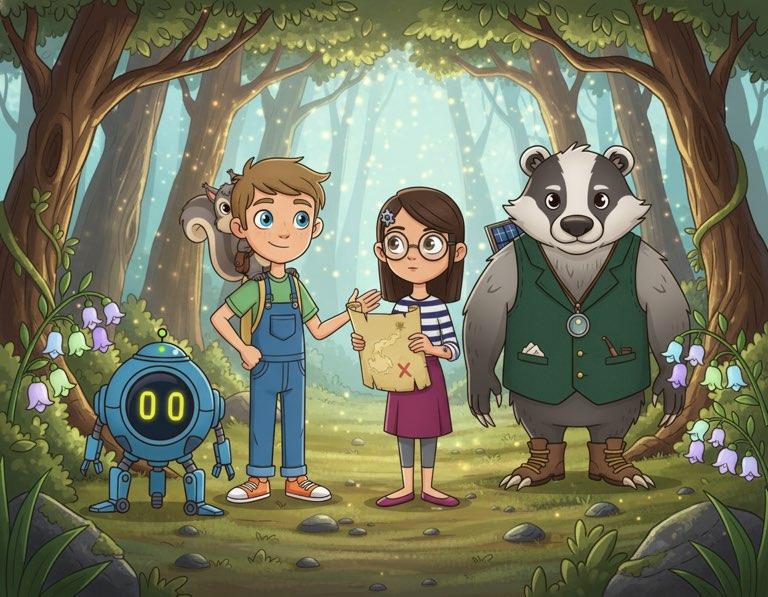
A forest mystery shared by a group of new friends.
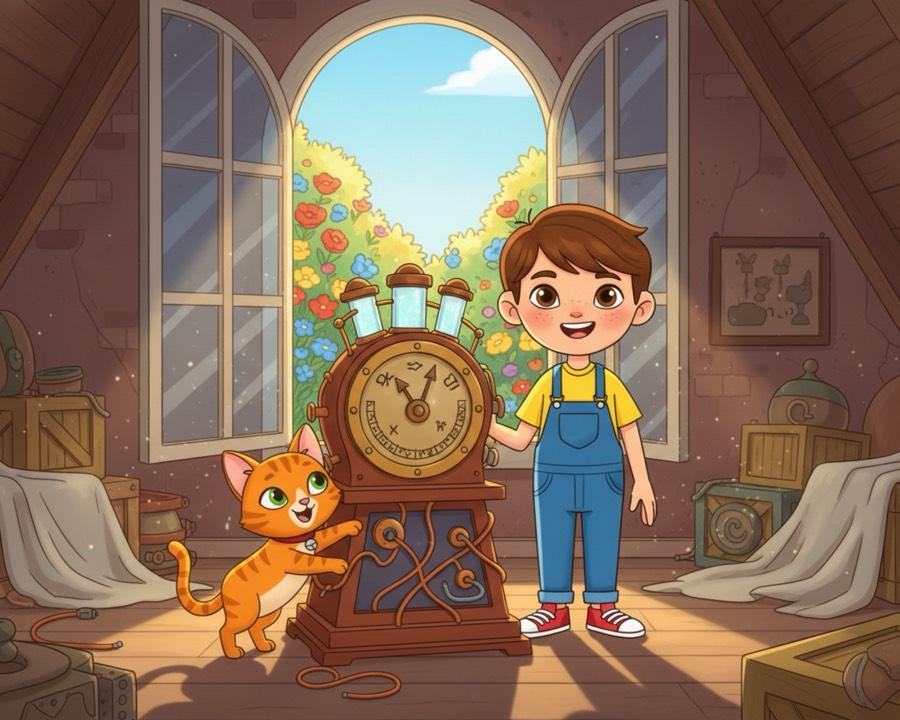
A grandparent's attic discovery that can change the weather.
Storybox keeps the flow simple so families can spend more time reading and less time managing screens.
Start with a letter your child is learning or a word they love saying.
A lion, lantern, llama, or completely invented creature can carry the story.
Point out a few words naturally and let the rest of the story stay enjoyable.
The most memorable example is often the one your child already cares about.
Conversation and rereading are more useful than turning the story into a test.
A child can draw the character and circle the letter they noticed.
Yes. Start with a letter, sound, name, animal, or object and use the story as a playful reading context.
No. It is a creative story and reading activity, not a replacement for structured phonics instruction.
Yes. Names are often a meaningful way to notice letters and sounds.
It is designed for young children building early language and reading confidence, with a level you can choose.