Separate effort from worth
The story can show a character struggling without making the struggle a verdict about who they are.
Homework stories
A worksheet, project, or new idea can turn into a long evening. Your child invents a character facing a learning problem, and Storybox makes room for curiosity without adding another assignment.
The story can show a character struggling without making the struggle a verdict about who they are.
A hard problem can become something the character investigates one small step at a time.
A finite story can help a child come back to reading and rest after schoolwork is done.
Real Storybox stories
These are examples from Storybox stories, made from a child's own idea and turned into an illustrated adventure.
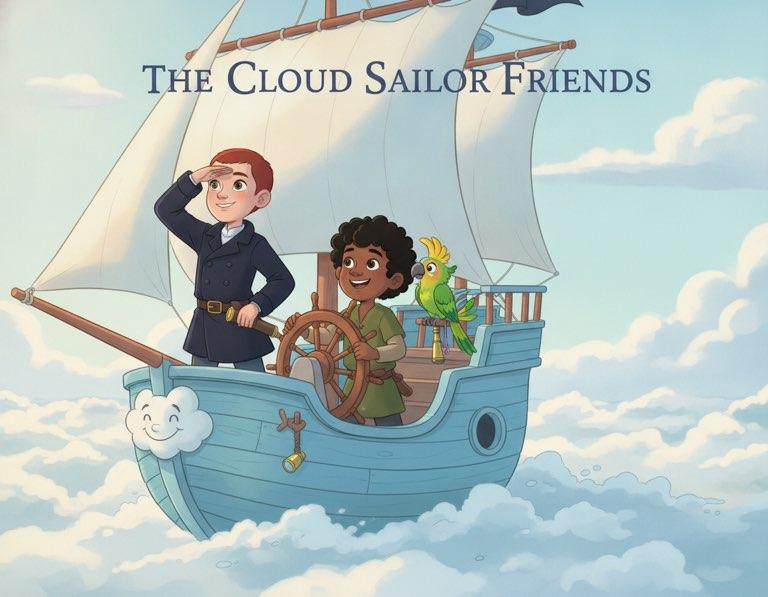
A pirate ship sailing through the clouds.

A trail of footprints that appears after the snow.
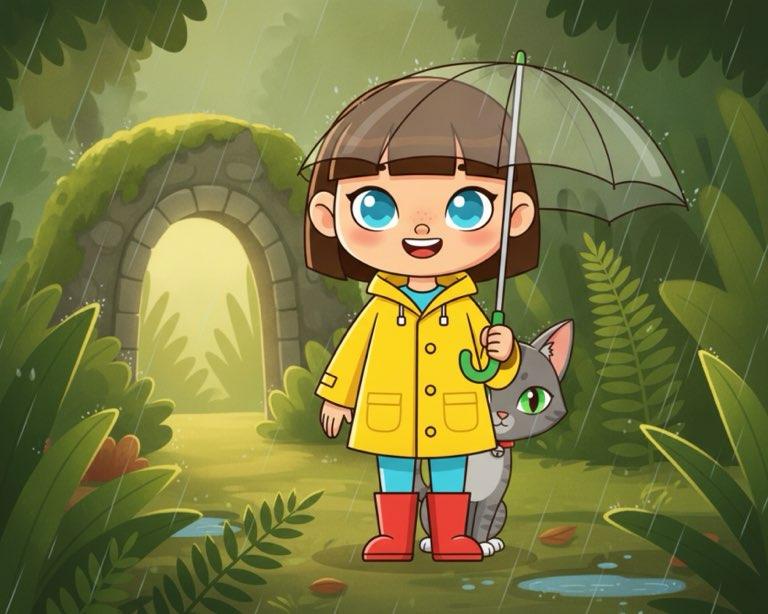
A secret tunnel that only appears when it rains.
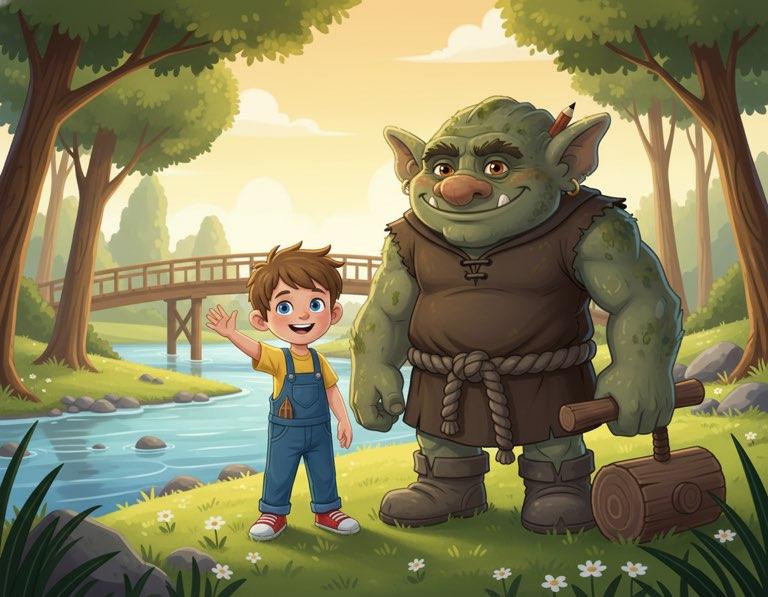
A troll who builds bridges instead of guarding them.
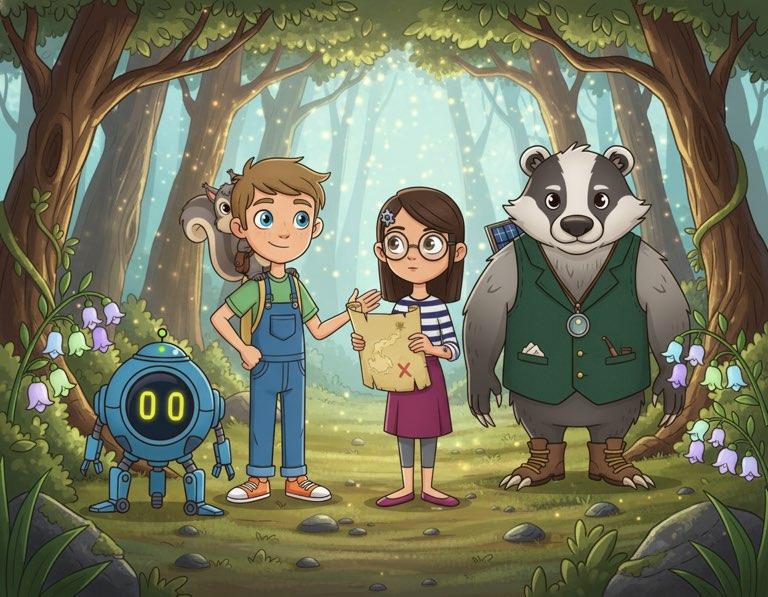
A forest mystery shared by a group of new friends.
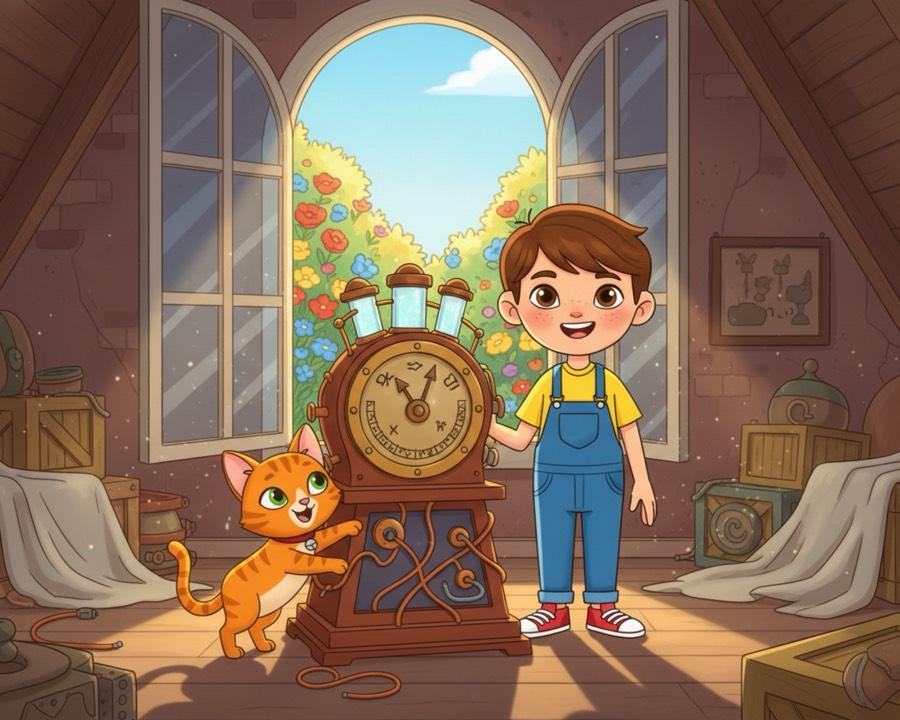
A grandparent's attic discovery that can change the weather.
Storybox keeps the flow simple so families can spend more time reading and less time managing screens.
It can be numbers, spelling, a project, or simply getting started.
A friend, teacher, parent, or fictional guide can show that asking is part of learning.
Use the story as a reset rather than another demand to complete.
The story is for perspective and recovery, not a sneaky worksheet.
One tricky step is easier to hold than a story about every school worry at once.
After reading, notice the strategy or support the character used.
It can give a child a calmer way to talk about effort, confusion, and asking for help.
Storybox can support a learning-themed story, but it is not a substitute for the assignment or teacher instruction.
After the work or during a break, so it feels like a reset rather than more school.
A teacher can use child-led stories as a creative reading or discussion starting point.